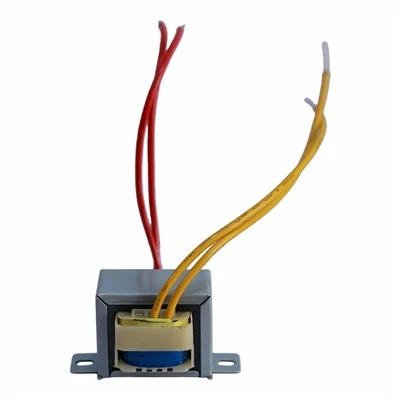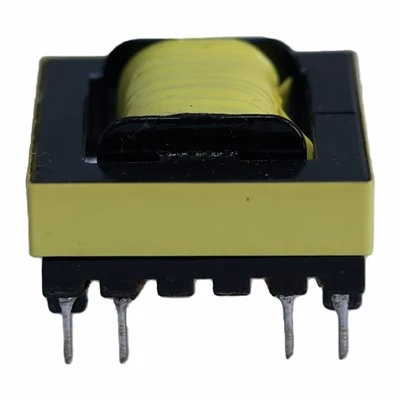

Transformers can be classified by their application, with power transformers and distribution transformers being the most common types. Power transformers are typically used in power plants and transmission systems to handle high-voltage, high-capacity power transmission, prioritizing efficiency and stability. In contrast, distribution transformers operate at the end of the power supply chain, stepping down high voltage to levels suitable for direct end-user consumption; widely deployed across urban and rural grids, they are essential for delivering electricity to households.
Transformers can also be categorized by structure and function, such as autotransformers and isolation transformers. Autotransformers feature a shared winding structure for both primary and secondary sides, resulting in a compact size and high efficiency; while commonly used for voltage regulation and equipment starting, they offer limited electrical isolation. Isolation transformers, however, utilize completely separate windings to decouple the input and output, making them ideal for safety protection and interference suppression in applications such as medical equipment, laboratory instruments, and precision electronic systems.
Another vital category within power systems comprises instrument transformers used for measurement and protection, specifically current transformers and voltage transformers. Rather than transmitting high-power electricity directly, these devices scale down high voltages or large currents proportionally for use in power monitoring, metering, and relay protection, thereby ensuring the safety and accuracy of grid operations. Such transformers serve as a fundamental component of modern power grid automation.