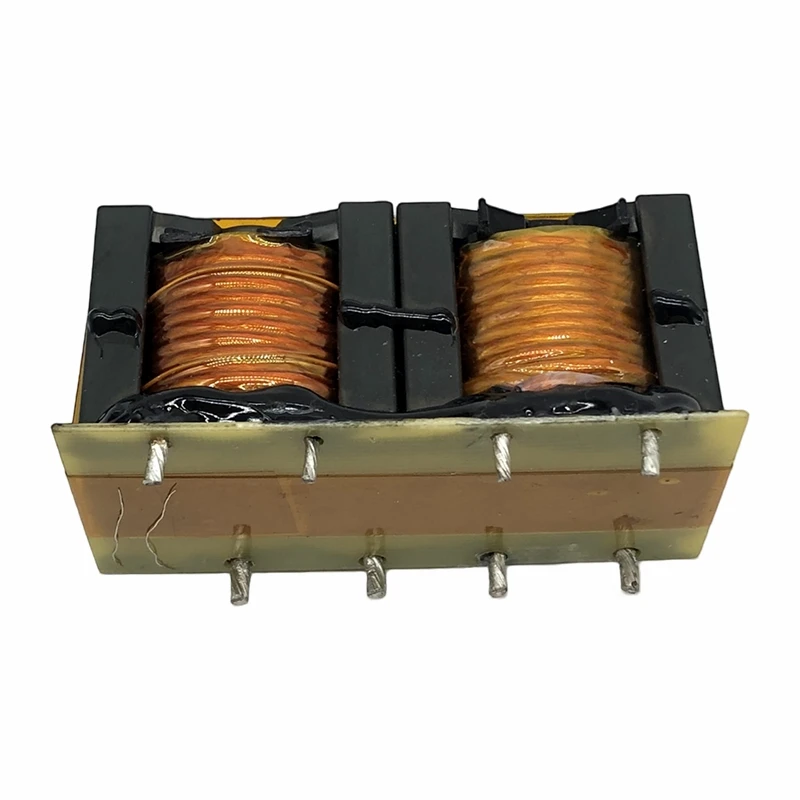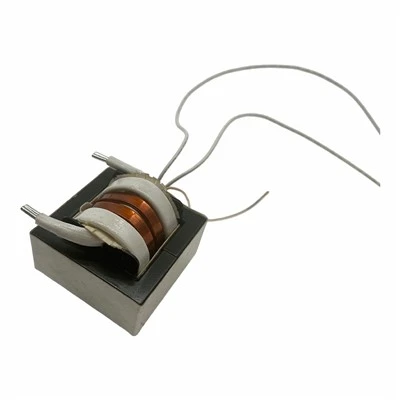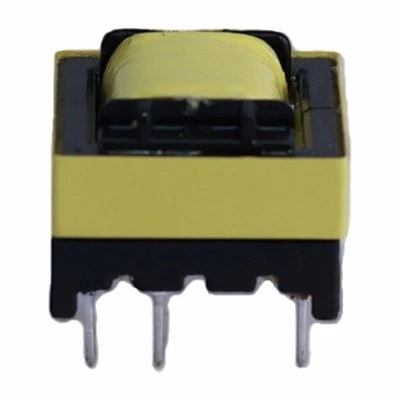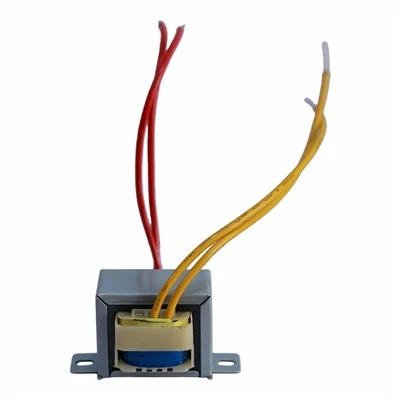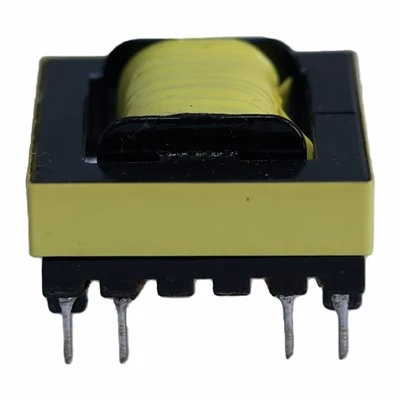

The core function of a transformer is to transform voltage and current while maintaining approximate power conservation during energy transfer. By designing the turns ratio between the primary and secondary windings, a transformer can step up voltage for long-distance transmission or step down high voltage to safe levels for end-use equipment, thereby enhancing the efficiency and safety of power transmission.
In addition to voltage regulation, transformers provide electrical isolation. With no direct electrical connection between the primary and secondary sides, energy is transferred via magnetic coupling; this effectively isolates electrical potentials, protects equipment and personnel, and mitigates the risk of fault propagation across the power grid.
Transformers often perform auxiliary functions as well, such as stabilizing voltage, improving power quality, suppressing grid harmonics, and balancing loads. In large-scale power systems, the integration of tap changers, automatic voltage regulators, and intelligent monitoring systems enables transformers to go beyond basic voltage transformation, allowing them to play an active role in grid regulation and protection.