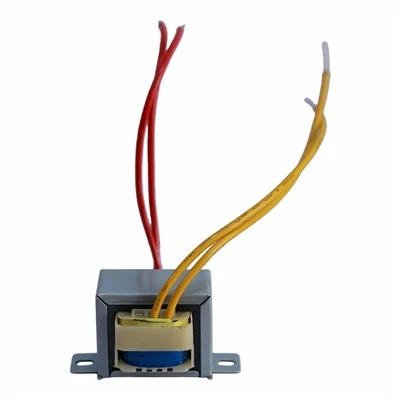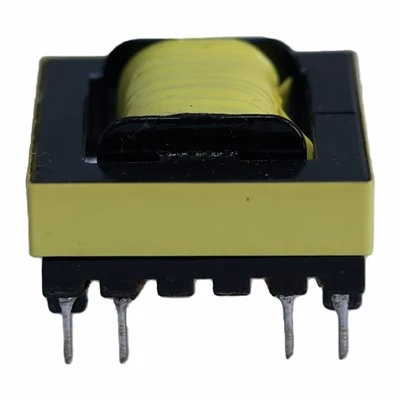

Transformers are widely used in modern power systems and serve as core equipment for the efficient transmission and distribution of electrical energy. A classic application scenario is found between power plants and transmission systems, where transformers step up the low voltage generated by generators to high voltage; this minimizes energy loss during long-distance transmission, thereby enabling efficient, long-range power delivery.
In distribution networks, transformers perform a step-down function, reducing the voltage from high-voltage transmission lines to levels suitable for industrial, commercial, and residential use. For instance, urban distribution transformers often step down high voltages-such as 10 kV or 35 kV-to 220 V or 380 V to supply power directly to homes and factories, ensuring safe and stable electricity usage.
Transformers also find extensive application in electronic devices, motor drive systems, rail transportation, and the renewable energy sector. In electronic devices, they are used in power adapters to convert alternating current (AC) into the required direct current (DC) voltage. In wind or photovoltaic power systems, transformers adjust the voltage output from generators or inverters to meet grid-connection standards, facilitating the integration and efficient utilization of green energy.