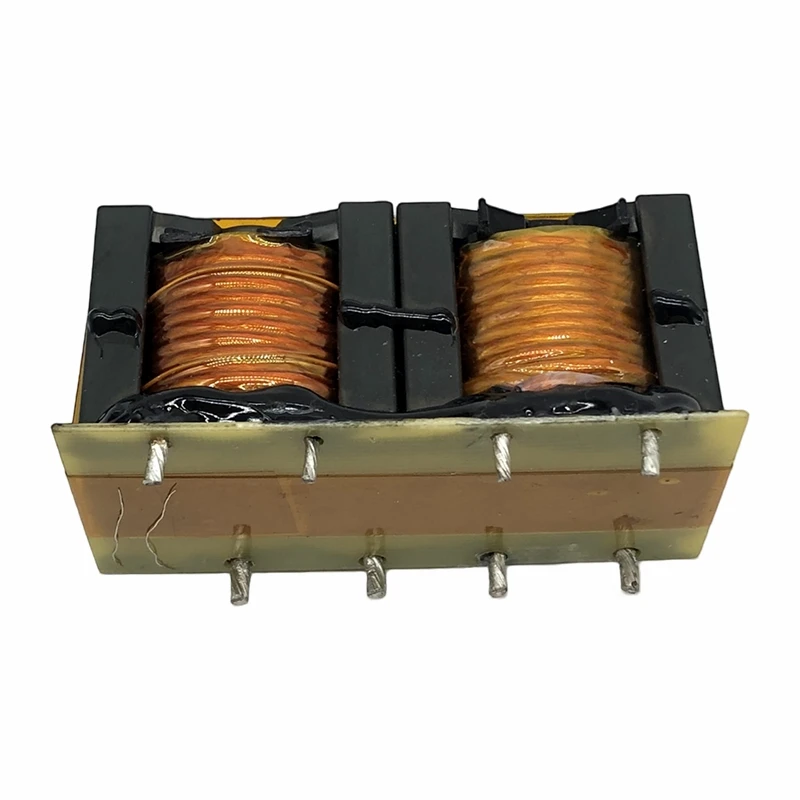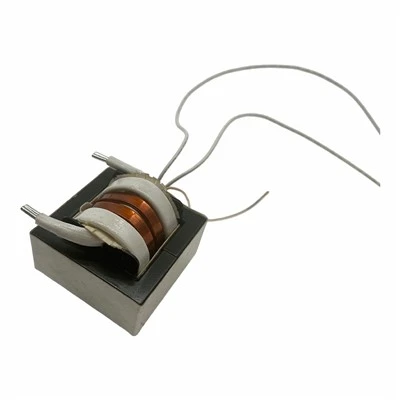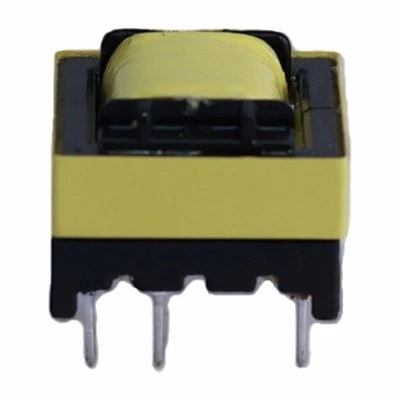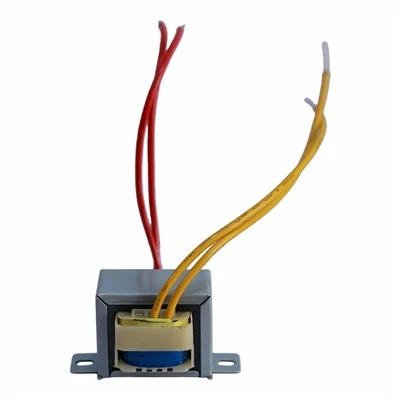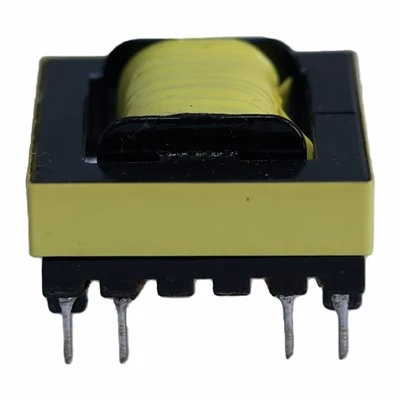

A transformer's technical parameters - which describe its capacity, performance, and operating conditions-serve as a crucial basis for selection and design. Foremost among these is rated capacity, typically expressed in kVA or MVA, representing the apparent power the transformer can safely and continuously deliver under specified conditions. Closely related is the rated voltage-covering both primary and secondary sides-which determines the transformer's step-up or step-down capability and is essential for grid compatibility.
Frequency is another key parameter; industrial transformers are generally designed to operate at 50 Hz or 60 Hz, as frequency variations affect iron losses and magnetic flux density. Short-circuit impedance is also significant, reflecting the transformer's ability to limit current during a short-circuit event and directly influencing system stability and parallel operation characteristics. No-load loss and load loss are vital metrics as well; the former stems primarily from core losses, while the latter arises from heat generated by winding resistance. Together, they determine operational efficiency and energy consumption levels.
In engineering applications, parameters such as insulation class, temperature rise limits, and cooling methods also require attention. For instance, oil-immersed and dry-type transformers differ significantly in heat dissipation capabilities and suitable operating environments. Tap range is another important technical specification, allowing for output voltage adjustment within a certain range to accommodate grid fluctuations. Collectively, these parameters constitute the comprehensive technical performance profile of the transformer.