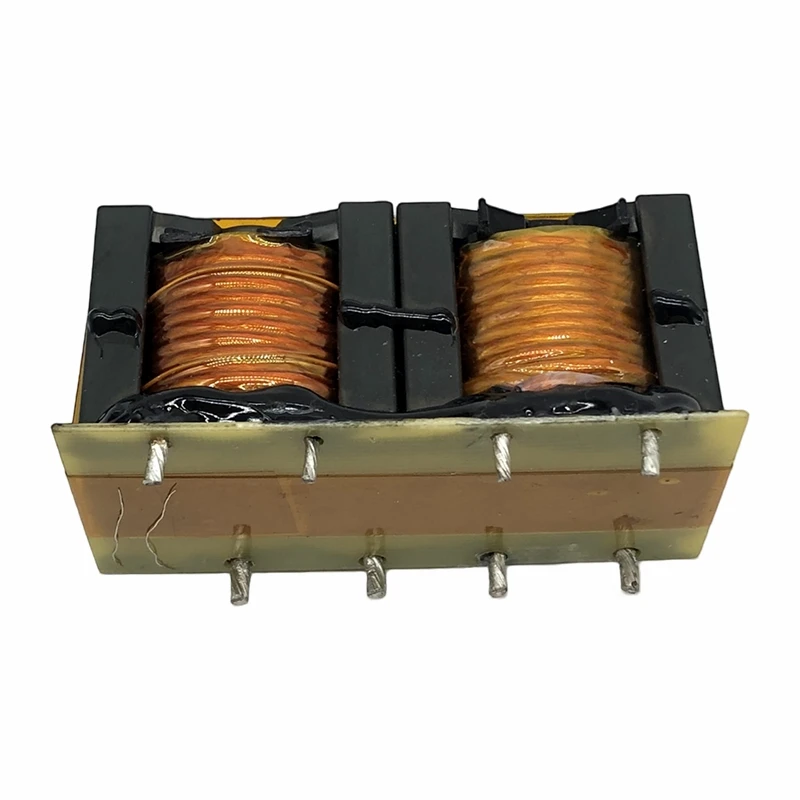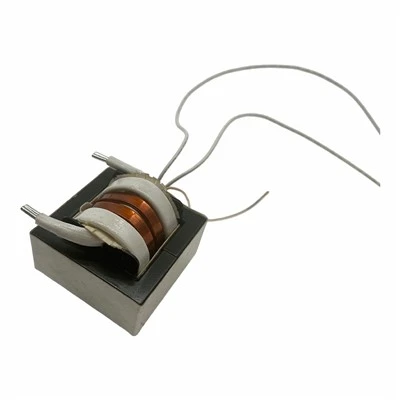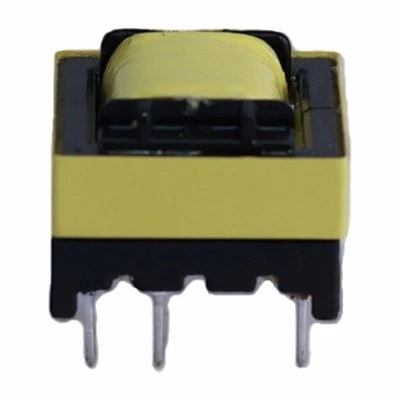

Transformer operation involves high voltages and high currents; therefore, safety management is paramount. Before installation or maintenance, the unit must be completely de-energized, verified as dead, and grounded to prevent electric shock accidents caused by residual voltage or accidental re-energization. High-voltage equipment requires clearly visible warning signs and must be operated by qualified professionals to prevent unauthorized personnel from coming into contact with live parts. During operation, key parameters such as temperature, oil level, and insulation status must be monitored. For oil-immersed transformers, issues such as oil leakage, abnormal temperature rise, or unusual noise may indicate internal faults, necessitating an immediate shutdown for inspection. Transformer oil serves both insulating and cooling functions; thus, oil degradation or contamination directly impacts safe operation. Additionally, insulation resistance should be tested regularly to prevent dielectric breakdown or short-circuit accidents caused by insulation aging.
Routine maintenance must incorporate fire and explosion prevention measures, particularly during periods of high-load operation. The area surrounding the transformer should be well-ventilated and kept free of flammable materials, and appropriate fire-extinguishing equipment must be provided. Large power transformers require protective systems-such as overcurrent protection, differential protection, and temperature-controlled alarm systems-to cut off power promptly in the event of an anomaly and prevent the escalation of accidents. Collectively, these measures ensure the safe and stable operation of transformers within the power system.