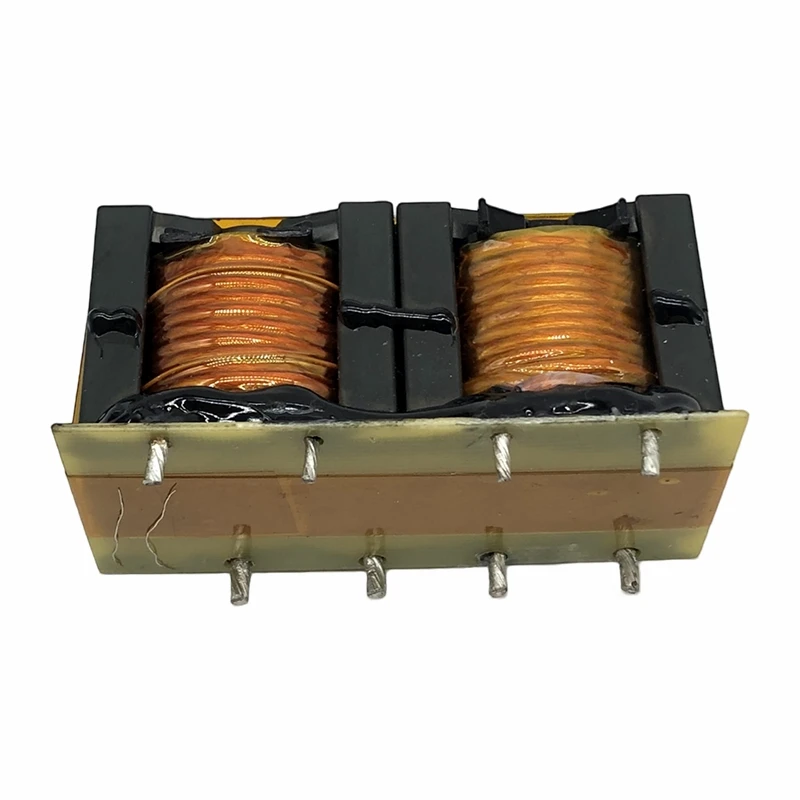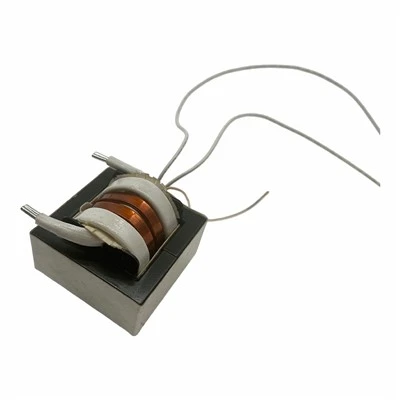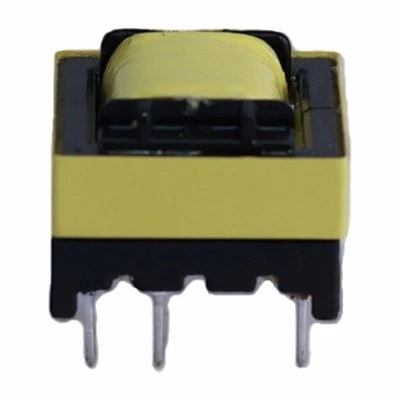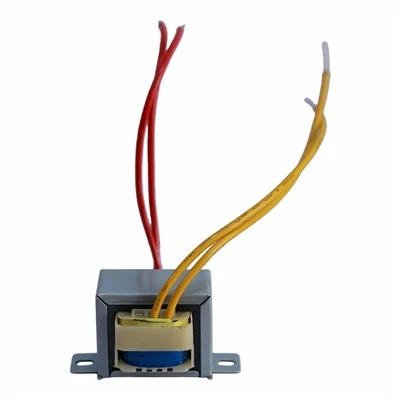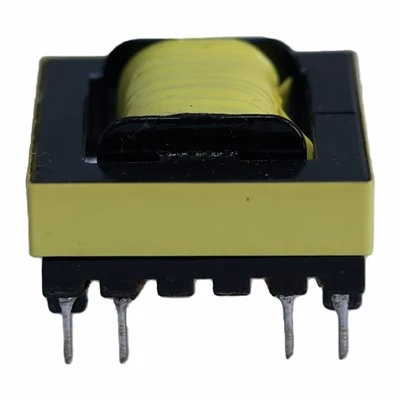

The operating principle of a transformer is based on the law of electromagnetic induction. It primarily consists of three components: a primary coil, a secondary coil, and an iron core (or magnetic core). When alternating current flows through the primary coil, it generates an alternating magnetic flux within the core. This alternating flux passes through both the primary and secondary coils. According to the law of electromagnetic induction, a change in the magnetic flux passing through a coil induces an electromotive force (EMF) within that coil. The magnitude of the induced EMF in the secondary coil is closely related to the turns ratio between the primary and secondary coils. When the turns ratio is greater than 1, the output voltage of the secondary coil exceeds the input voltage of the primary coil, resulting in a voltage step-up; conversely, when the turns ratio is less than 1, the output voltage is lower than the input voltage, resulting in a voltage step-down.
Regarding technical details, the iron core serves to enhance magnetic coupling, minimize magnetic leakage, and improve transformer efficiency. The core is typically constructed by stacking silicon steel laminations coated with insulating varnish to reduce eddy current losses. The primary and secondary coils are generally wound using insulated wire, with the number of turns determined by the transformer's required transformation ratio.