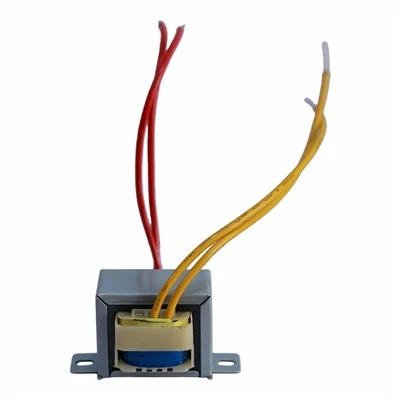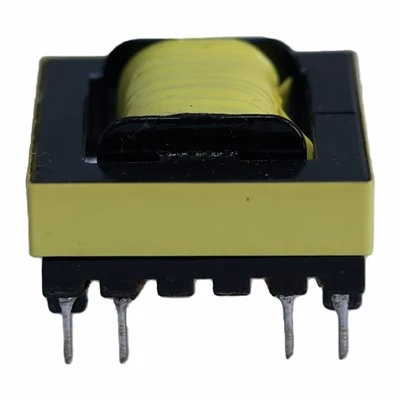

The protection rating of a transformer is typically indicated by an IP (Ingress Protection) code, which describes the enclosure's ability to protect against the intrusion of solid foreign objects and liquids. This rating is crucial for ensuring the safe operation of the transformer under various environmental conditions, particularly in outdoor or industrial settings.
An IP rating generally consists of two digits. The first digit indicates the level of protection against solid objects (such as dust), ranging from 0 to 6; a higher number signifies greater protection-for instance, IP2X indicates protection against finger contact with live internal parts, while IP6X signifies complete dust-tightness. The second digit indicates the level of protection against water, ranging from 0 to 9; for example, IPX4 denotes protection against splashing water, IPX7 indicates suitability for short-term immersion, and IPX8 signifies suitability for continuous immersion under pressure. Common enclosure ratings for transformers include IP20, IP23, and IP44, with the specific rating selected based on the installation environment.
Different types of transformers have varying protection rating requirements. Indoor dry-type transformers generally require lower ratings, such as IP20, to prevent accidental contact and the entry of large particles. In contrast, outdoor oil-immersed transformers typically require enclosures with higher ratings-such as IP23 or above-to withstand environmental factors like rain, dust, and wind-blown sand. Additionally, in humid, coastal, or heavily industrialized areas, anti-corrosion coatings or enhanced sealing designs may be employed to further improve overall protection and extend the equipment's service life.