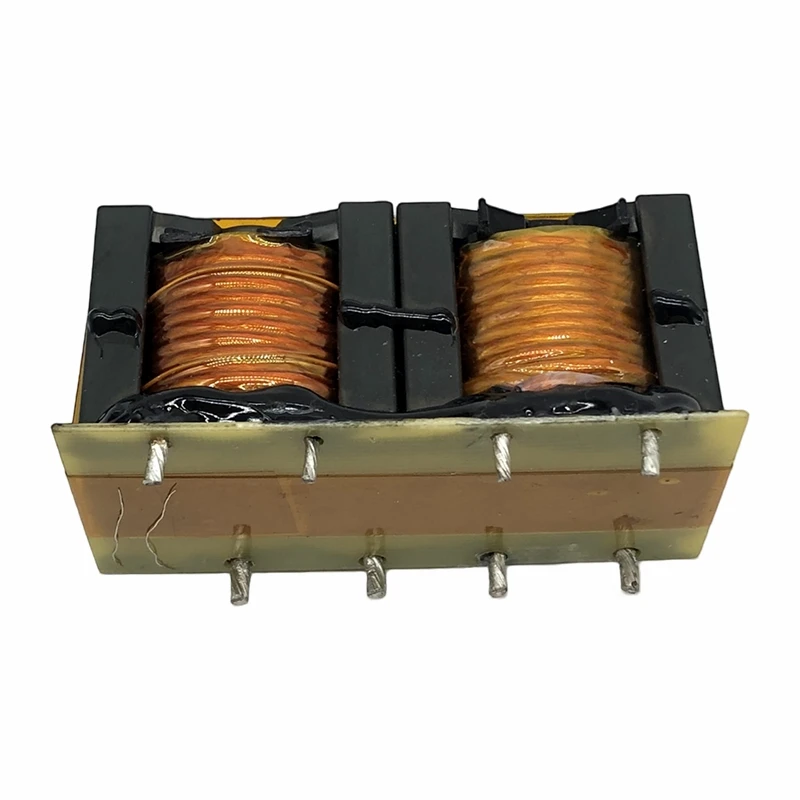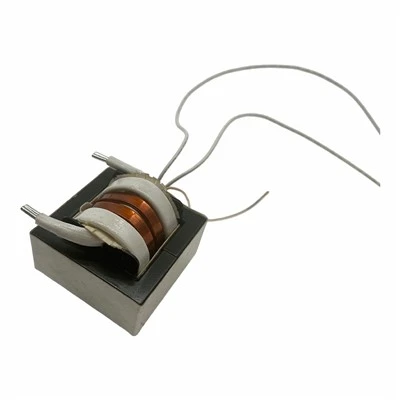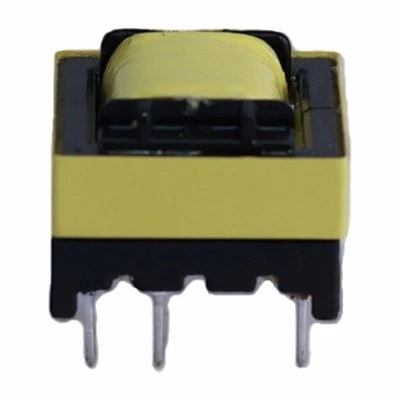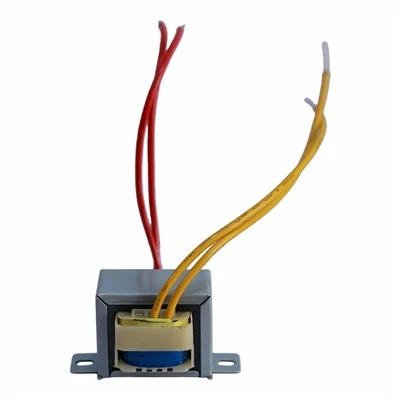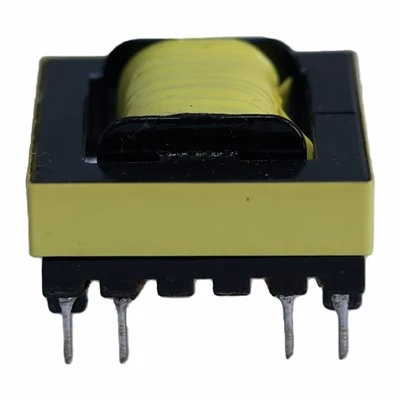

First, there's the main structural configuration: the core and winding system. The core is typically made of laminated high-permeability silicon steel sheets and, based on the magnetic circuit configuration, is divided into core-type and shell-type structures. This provides a closed magnetic flux path with low magnetic reluctance, reducing energy loss. The winding section includes primary and secondary windings, which can be concentric, interleaved, or other structural forms depending on the voltage level and application. The windings are usually made of copper or aluminum wire and have multi-layered insulation to withstand high voltage surges and long-term operating electrical stress. Furthermore, the winding arrangement and turns ratio are key configuration parameters determining the transformer's voltage transformation capability.
Second, there's the insulation and cooling system configuration. The insulation system includes not only the main insulation between windings but also the insulation structure between the windings and the core and leads. Common materials include insulating paper, insulating varnish, and transformer oil. In oil-immersed transformers, the transformer oil not only provides insulation but also dissipates heat. Cooling methods vary depending on capacity and can be categorized into natural cooling (oil-immersed self-cooling, air self-cooling), air cooling, and forced oil circulation air cooling, among others. For large power transformers, radiators, oil pumps, and fans are also installed to improve heat dissipation efficiency and ensure that the temperature rise remains within a safe range under long-term load operation.
Finally, there is the configuration of operating accessories and protection devices. The oil tank contains transformer oil and protects the internal structure. The oil conservator (expansion tank) regulates the expansion or contraction of the oil volume due to temperature changes. The breather is filled with silica gel to absorb moisture from the air and prevent the oil from becoming damp and deteriorating. The tap changer is an important device for regulating the output voltage, allowing adjustment of the turns ratio without disconnecting the power supply. For protection, a gas relay detects gases generated by internal faults, and oil temperature gauges and winding thermometers monitor the operating temperature, triggering alarms or tripping when abnormalities occur.