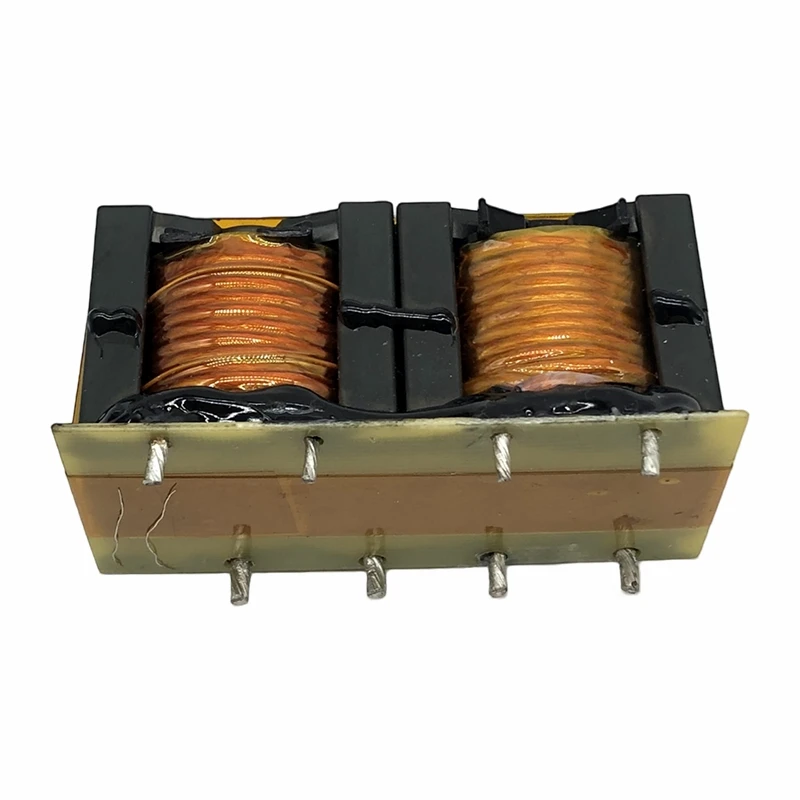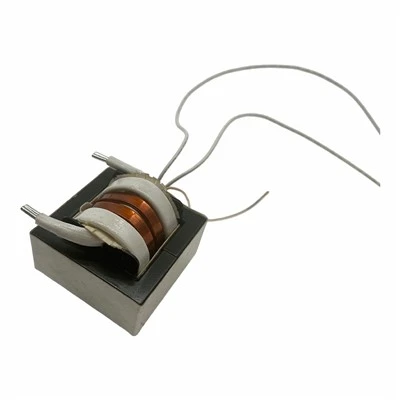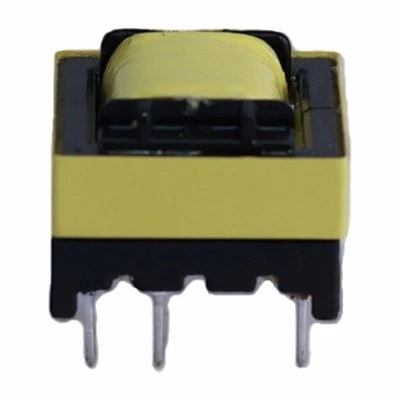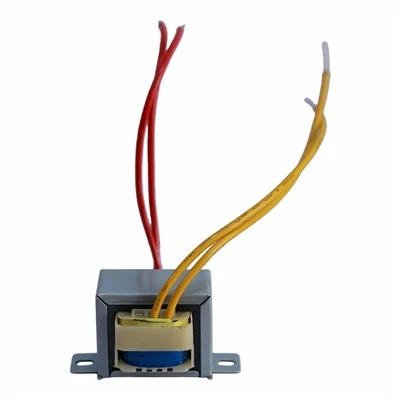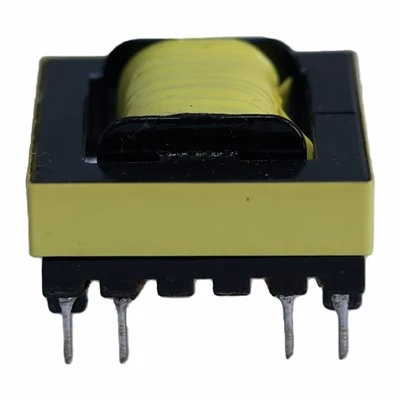

A transformer is a device that utilizes the principle of electromagnetic induction to alter alternating current (AC) voltage; its primary components are the primary coil, the secondary coil, and the iron core (or magnetic core). Its main functions include voltage transformation, current transformation, impedance transformation, isolation, and voltage stabilization (in the case of saturable-core transformers).
The core components of a transformer primarily include the following:
The iron core is constructed from stacked silicon steel sheets and provides a closed path for magnetic flux. The design of the core directly impacts the transformer's efficiency and losses; a high-quality core minimizes hysteresis and eddy current losses, thereby enhancing energy transfer efficiency.
The windings consist of primary and secondary coils, typically made of copper or aluminum wire. These windings are crucial for electromagnetic induction, enabling voltage step-up or step-down based on the turns ratio. Winding insulation is also a critical factor in ensuring the transformer's safe operation.
Insulation materials and structural components include the insulation between windings and between the windings and the core, as well as the structural elements that support and secure the windings. These components ensure safe and stable operation in high-voltage environments while facilitating effective heat dissipation and extending the transformer's service life.