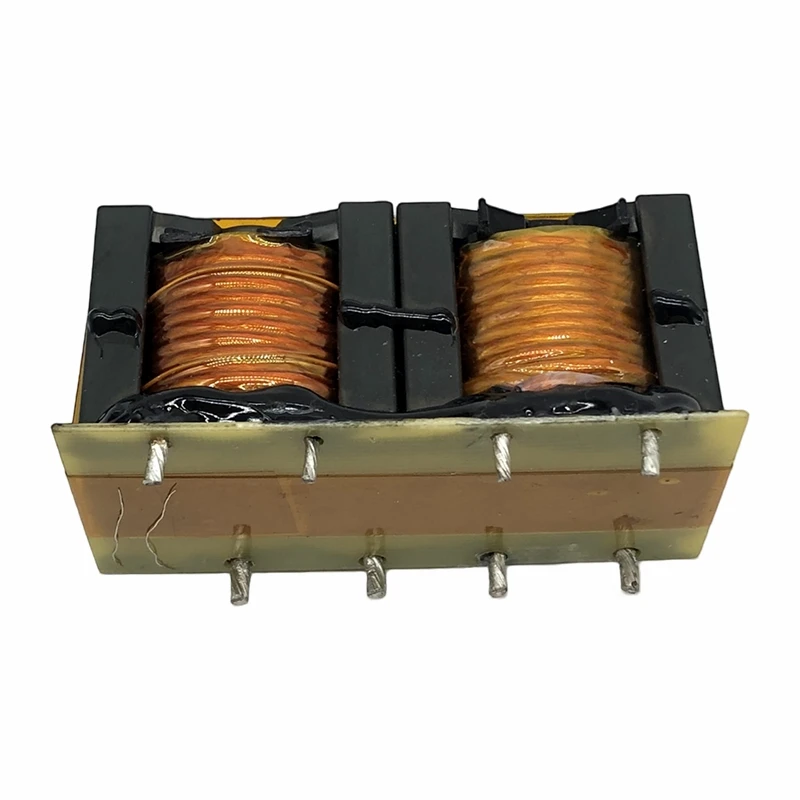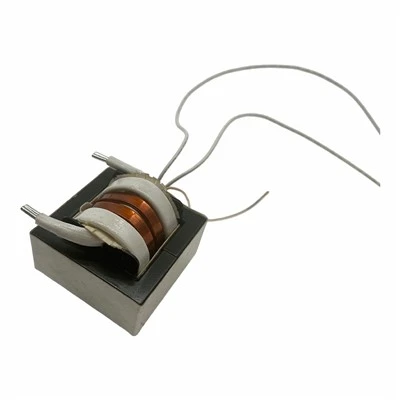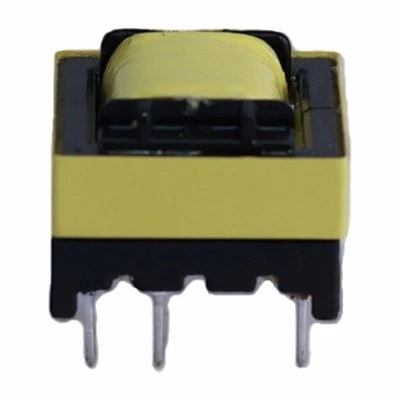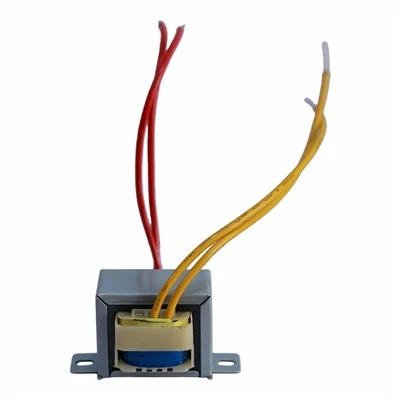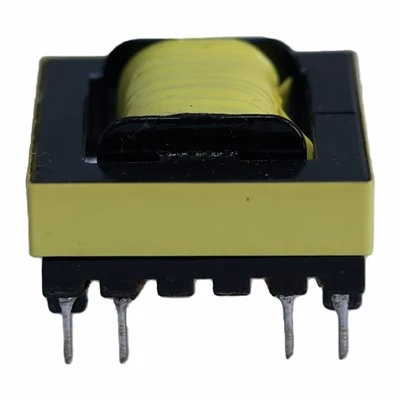

A transformer is an electrical device that utilizes the principle of electromagnetic induction to alter alternating current (AC) voltage. It primarily consists of a core and windings; when AC flows through the primary winding, it generates an alternating magnetic flux within the core, thereby inducing an electromotive force in the secondary winding and enabling the step-up or step-down of voltage. As they lack moving mechanical parts, transformers feature a relatively simple structure and offer high operational stability.
Transformers facilitate energy transfer between different voltage levels; ideally, they do not alter the power magnitude but rather achieve transmission through the reciprocal conversion of voltage and current. The primary and secondary sides are electrically isolated; this isolation not only enhances safety but also minimizes interference between circuits. While transformers generally operate with high efficiency, actual operation inevitably involves copper and iron losses-such as heat generated by winding resistance, as well as hysteresis and eddy current losses within the core.
Transformer performance is also influenced by factors such as frequency, load conditions, and material quality. In power systems, for instance, capacity must be appropriately selected based on load fluctuations to prevent efficiency degradation caused by overloading or no-load operation. Furthermore, the design of transformers for high-frequency environments differs from that of power-frequency transformers, requiring stricter considerations regarding insulation and heat dissipation. Collectively, these factors determine the suitability and stability of transformers across various applications.