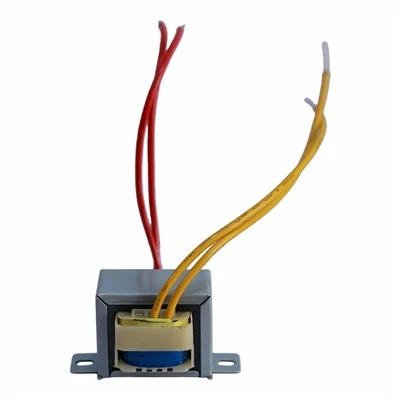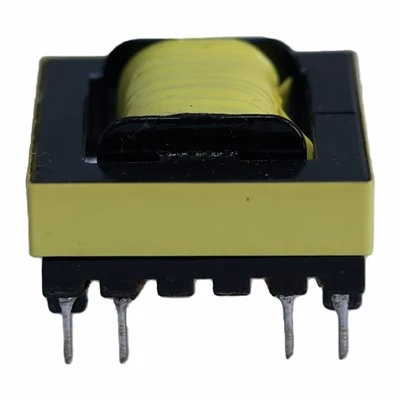

The concept of the transformer emerged following the discovery of the principle of electromagnetic induction in the 19th century. In 1831, Michael Faraday discovered electromagnetic induction, laying the theoretical foundation for future power conversion equipment. By the 1880s, engineers began experimenting with voltage transformation using alternating current (AC) to address energy loss issues associated with long-distance power transmission. Early devices featured simple structures-often with open magnetic circuits-and relatively low efficiency, yet they demonstrated the potential to improve transmission performance by altering voltage levels.
The period spanning the late 19th and early 20th centuries marked a phase of rapid technological advancement for transformers. As AC systems gradually superseded direct current (DC) systems, transformers became a core component of power grids. Hungarian engineers-including Déri, Bláthy, and Zipernowsky-played a pivotal role in developing closed-core transformers, which significantly boosted efficiency and enabled commercial application. Subsequently, companies such as Westinghouse drove the standardization of power systems, leading to the widespread adoption of transformers across power generation, transmission, and distribution networks.
Throughout the 20th century, transformer technology continued to mature and undergo optimization. The adoption of silicon steel cores drastically reduced eddy-current losses, while oil-immersed cooling systems enhanced operational stability for high-capacity units. Driven by rising electricity demand, the development of extra-high voltage (EHV) and ultra-high voltage (UHV) technologies made long-distance, high-capacity power transmission feasible. Modern transformers continue to see improvements in materials, insulation, and structural design, while simultaneously evolving toward higher efficiency, lower losses, and intelligent monitoring capabilities.