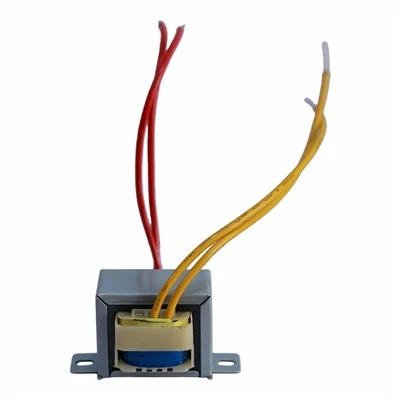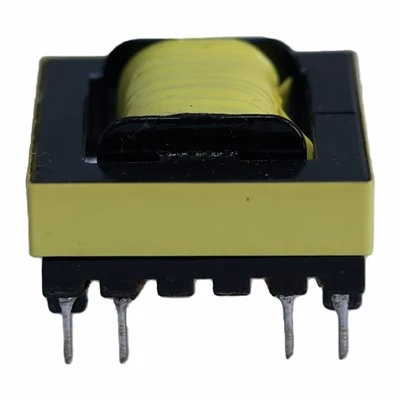

Inductance Testing: Inductance is a key parameter of an inductor, typically measured using an LCR meter. An appropriate frequency must be selected during testing to ensure measurement accuracy.
Q-Factor Testing: The Q-factor is a crucial indicator of inductor quality, representing energy loss at a specific frequency. A higher Q-factor indicates superior inductor performance. Q-factor testing is generally conducted at specific frequencies.
DC Resistance Testing: DC resistance refers to the inductor's impedance under direct current conditions and is usually measured with a multimeter. The magnitude of DC resistance directly impacts the inductor's power consumption and heat generation.
Self-Resonant Frequency Testing: Self-resonant frequency is the frequency at which an inductor naturally resonates under specific conditions. Understanding this frequency helps determine the inductor's suitability for specific applications.
After testing, the results must be systematically recorded and analyzed. Records should include the inductor model, test date, personnel involved, environmental parameters, and the specific test results. Subsequently, the data should be analyzed to determine whether the inductor meets relevant standards. If the results fail to meet standards, the underlying causes must be investigated and improvements implemented.
Inductor testing must adhere to relevant national or industry standards to ensure the validity and reliability of the results. Different types of inductors may be subject to varying requirements; therefore, the applicable standards should be thoroughly understood prior to testing. Testing laboratories should hold appropriate certifications to ensure compliance throughout the testing process.