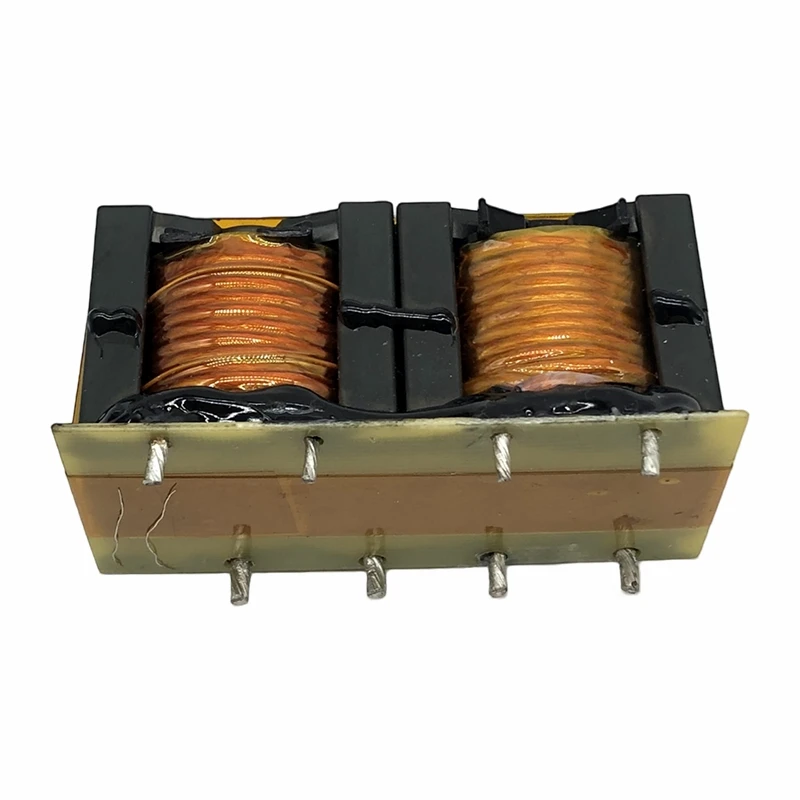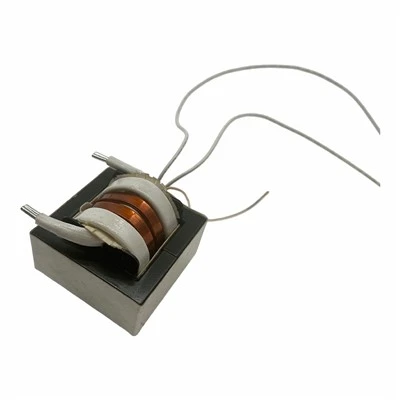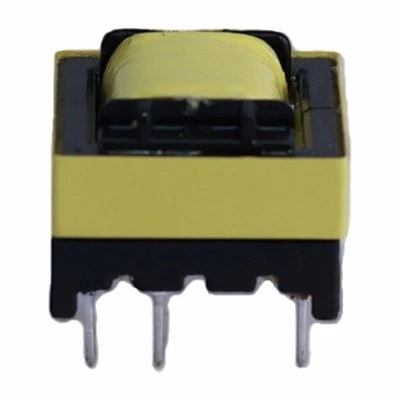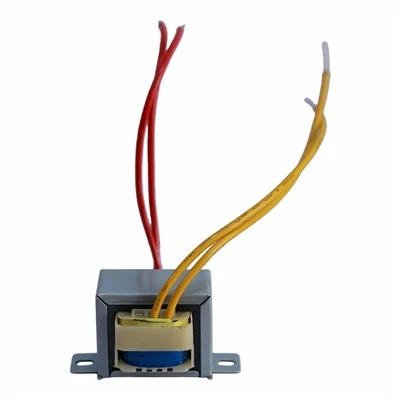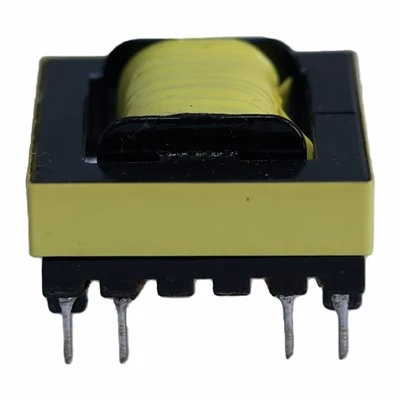

Inductance refers to the property whereby a magnetic field generated by current flowing through a conductor stores energy. The unit of inductance is the henry (H); a higher value indicates a greater capacity to store energy. Inductors are primarily used in circuits for filtering, oscillation, and energy storage. Understanding the basic concepts of inductance is a prerequisite for conducting inductance testing.
The testing environment significantly affects inductance test results; therefore, the following points should be considered during testing:
Temperature Control: The ambient temperature during testing should be maintained within the standard range, typically 20°C to 25°C. Excessive or insufficient temperatures may affect the inductor's performance, leading to inaccurate test results.
Humidity Control: Humidity also influences inductance test results, particularly during high-frequency testing. The ambient humidity should be maintained between 40% and 60%.
Electromagnetic Interference: The testing environment should be kept away from sources of strong electromagnetic interference to minimize the impact of external signals on the test results. If necessary, a shielded enclosure may be used for testing.