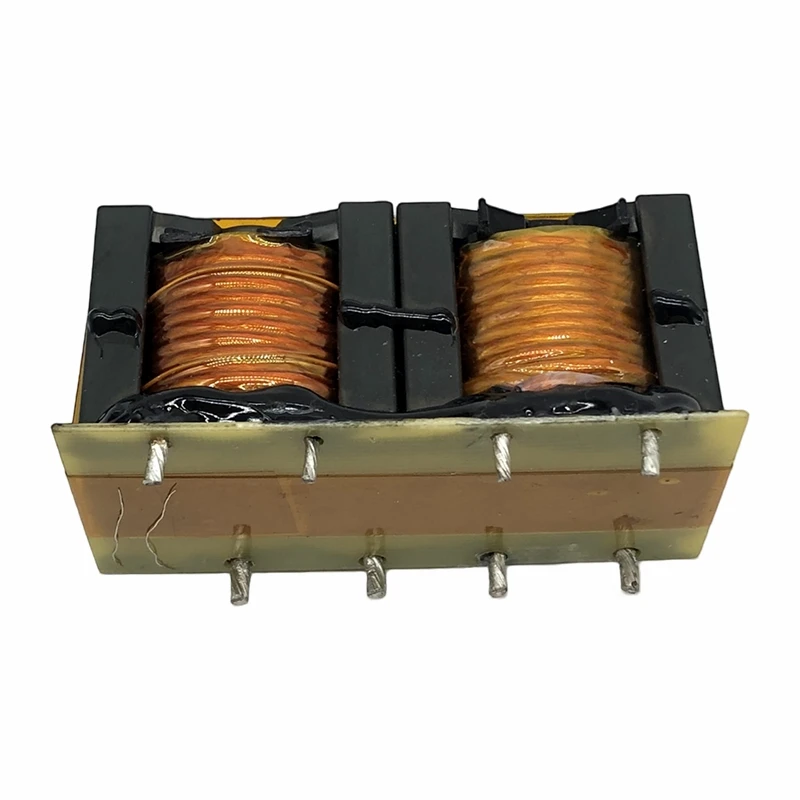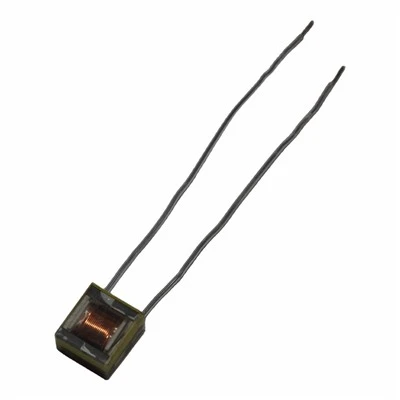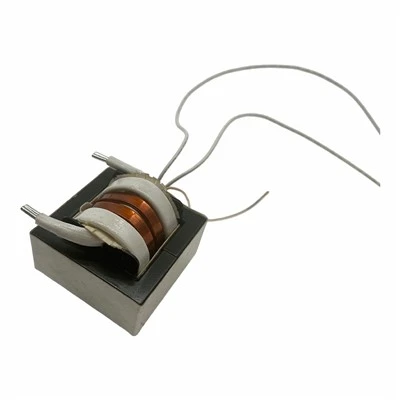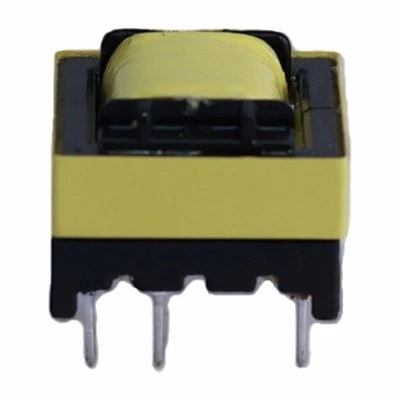

Miniaturization and High Power Density: Driven by the demand for thinner and lighter electronic products, inductors are evolving toward miniaturization. For instance, utilizing 3D coil structures and magnetic composite materials enables a saturation current of 5A within an 0201 package size (0.6 × 0.3 mm).
High-Frequency Applications: High-frequency communication technologies like 5G and Wi-Fi 6 are pushing inductor development into the GHz range. This necessitates the use of air-core designs or Low-Temperature Co-fired Ceramic (LTCC) technology to minimize dielectric loss.
Integration Trends: Integrating inductors with capacitors and resistors into modules (such as IPD-Integrated Passive Devices) helps reduce PCB footprint and improve signal integrity. A typical application is found in laser driver chips within optical modules.
Inductance Value Selection: The value must be calculated based on the circuit's operating frequency and current ripple requirements. For example, in a Buck converter, the inductance is calculated as L = (Vin - Vout)D / (fΔI), where D is the duty cycle and ΔI is the allowable current ripple.
Saturation Current Parameters: An inductor's saturation current can drop by 20%–30% at high temperatures, so sufficient design margin is required. For example, for an inductor with a nominal rating of 10A, the actual operating current should ideally not exceed 7A.
Temperature Rise Control: Inductor losses (P = I²R) cause temperature rises; heat generation can be mitigated by optimizing coil structures or using low-DCR materials (such as flat wire). For instance, one specific inductor model saw its temperature rise drop from 40°C to 25°C at a current of 10A.