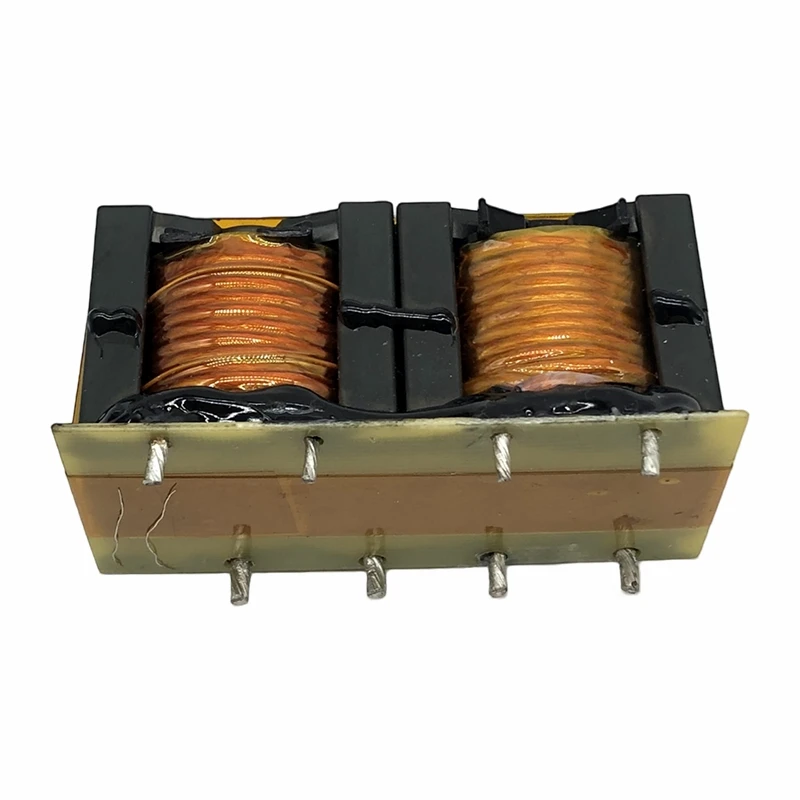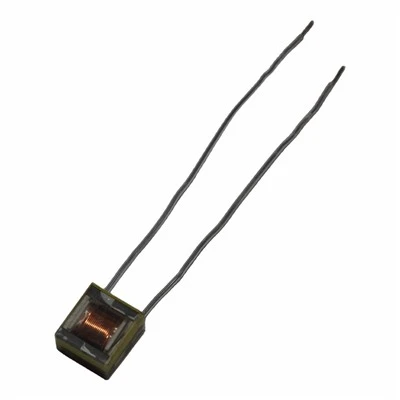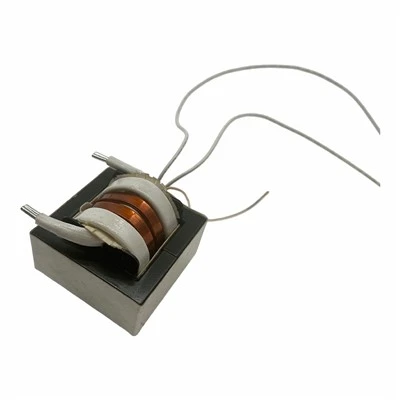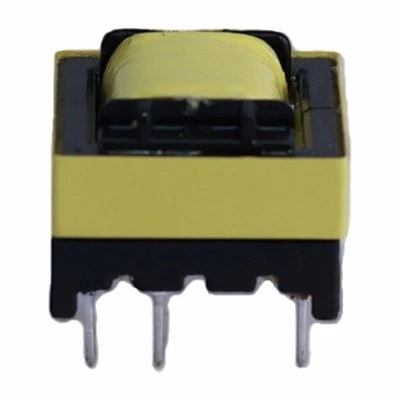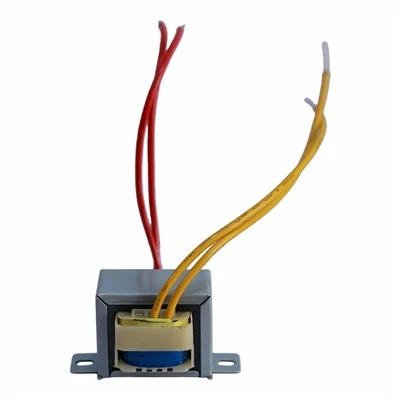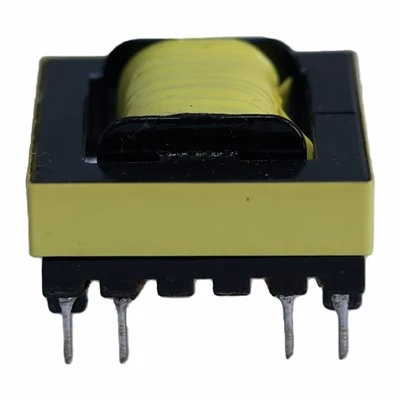

An inductor's core structure primarily consists of two components: the winding and the magnetic core; their design determines the inductor's electrical characteristics and operational performance.
The winding is formed by coiling wire with a specific number of turns and a particular arrangement-such as single-layer, multi-layer, or helical configurations. Conductors are typically made of copper or aluminum to ensure low resistance and high conductivity. Parameters such as the number of turns, wire gauge, and inter-layer spacing directly influence inductance and current-carrying capacity.
The magnetic core is the critical component for concentrating and enhancing magnetic flux. Common materials include iron powder cores, silicon steel laminations, ferrites, and amorphous alloys. The core's shape and material affect inductance, magnetic saturation characteristics, and energy loss; for instance, toroidal, E-shaped, and rod-shaped cores each offer distinct advantages depending on the application.
Some inductors incorporate insulating materials, protective housings, or heat-dissipation structures to enhance safety, voltage withstand capability, and thermal performance. Proper insulation between the winding and the core is crucial to prevent electrical breakdown or magnetic leakage, thereby improving the inductor's reliability and stability.