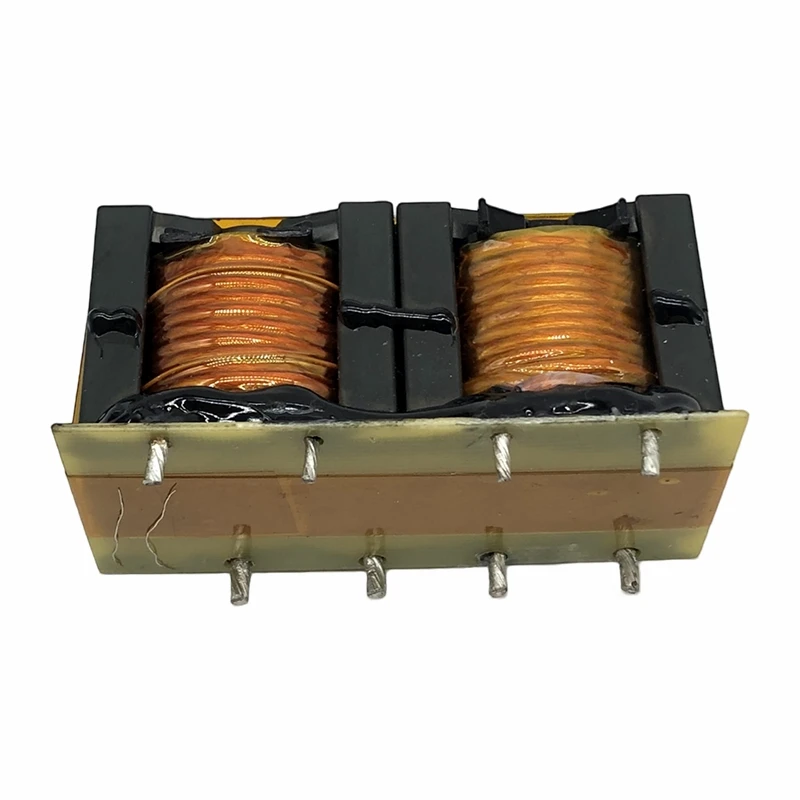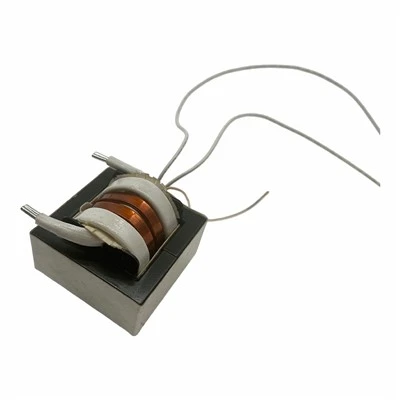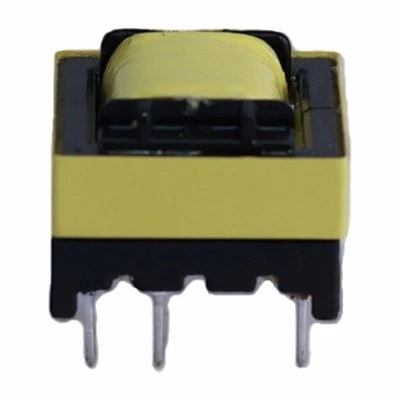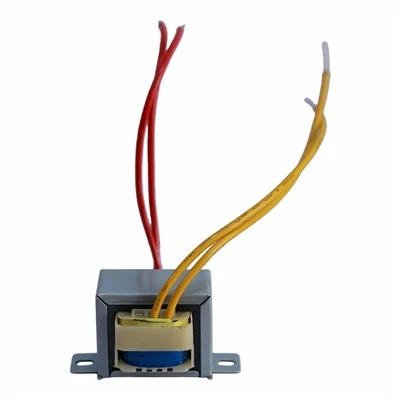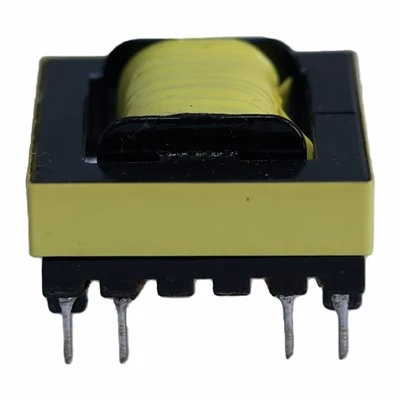

Selecting a transformer requires a comprehensive assessment based on the application scenario, load characteristics, and power system conditions; the primary goal is to achieve efficient operation while ensuring safety and reliability. First, the rated capacity must be determined-this is a fundamental parameter usually calculated based on actual load power, incorporating a safety margin to prevent excessive temperature rise or insulation aging caused by prolonged overloading.
Selection should also be based on voltage levels and the operating environment. For instance, power systems require matching input and output voltage levels, whereas industrial or civil applications call for appropriate step-down transformers. In harsh environments-such as areas with high temperatures, humidity, or heavy dust-dry-type transformers with superior protective capabilities are preferable; conversely, oil-immersed transformers often offer greater economic and heat-dissipation advantages for high-capacity power transmission.
Factors such as efficiency, losses, and structural design must also be considered. High-efficiency transformers reduce long-term operating costs and are ideal for continuous-duty applications. Isolation transformers may be selected where safety isolation is a priority, while models equipped with tap changers are suitable if voltage regulation is required. Finally, the most appropriate transformer type should be chosen by holistically considering installation space, maintenance requirements, and future capacity expansion needs.