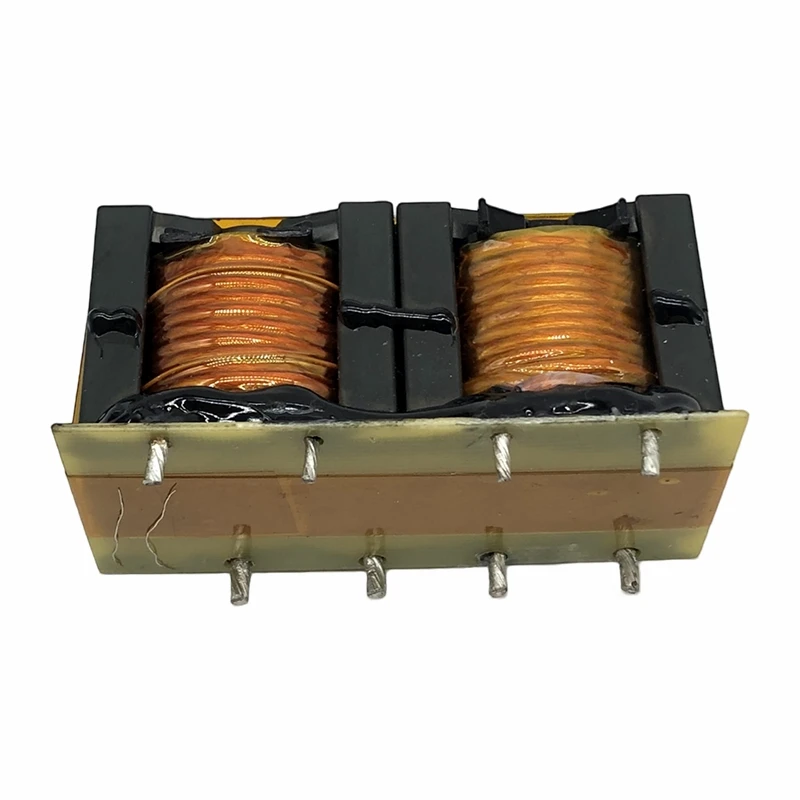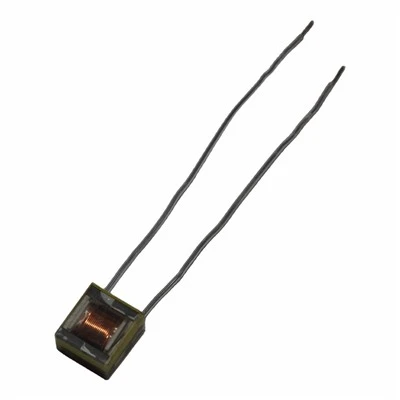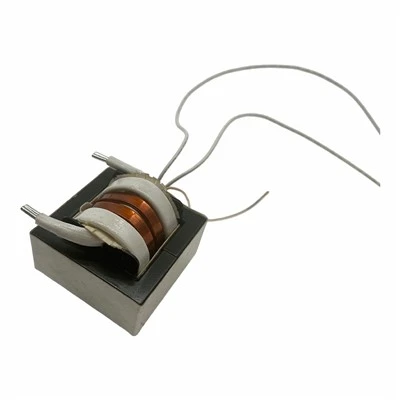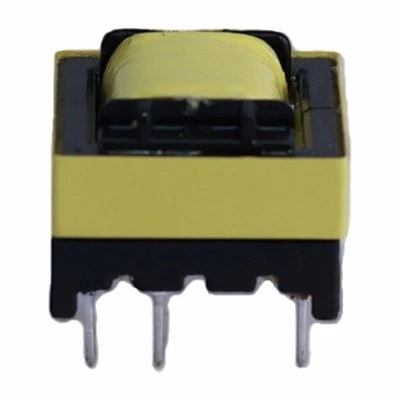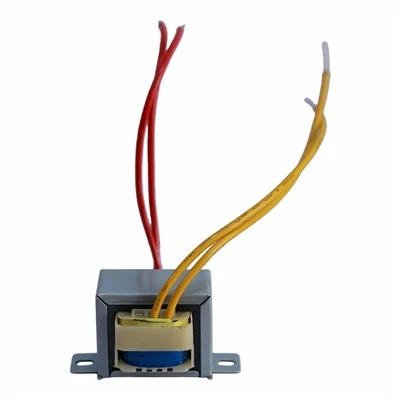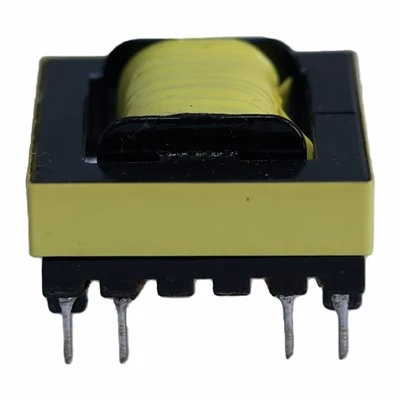

Performance testing of inductors primarily aims to verify that their electrical parameters meet design specifications and to ensure stable, reliable operation in actual circuits. Standard testing usually begins with inductance; an LCR meter measures the actual inductance value at a specified frequency and compares it against the nominal value to determine if it falls within the permissible tolerance range. This step constitutes the most fundamental and critical aspect of performance verification.
Testing also covers direct current resistance (DCR) and rated current capacity. DCR is measured using a micro-ohmmeter or precision resistance tester, as it directly influences the inductor's power loss and heat generation. Rated current testing typically employs a step-wise current increase method to monitor temperature rise and potential core saturation, ensuring the component does not fail under actual operating conditions.
Additional tests are conducted to evaluate insulation performance, temperature rise characteristics, and frequency response. Insulation testing confirms the safety of the isolation between the winding and the core, mitigating the risk of dielectric breakdown; temperature rise testing assesses thermal stability during prolonged operation; and frequency response testing examines how the inductor behaves at various frequencies, specifically focusing on the impact of parasitic capacitance and the quality factor (Q-value) in high-frequency applications. The combined results of these tests determine the inductor's reliability and suitability for specific applications.