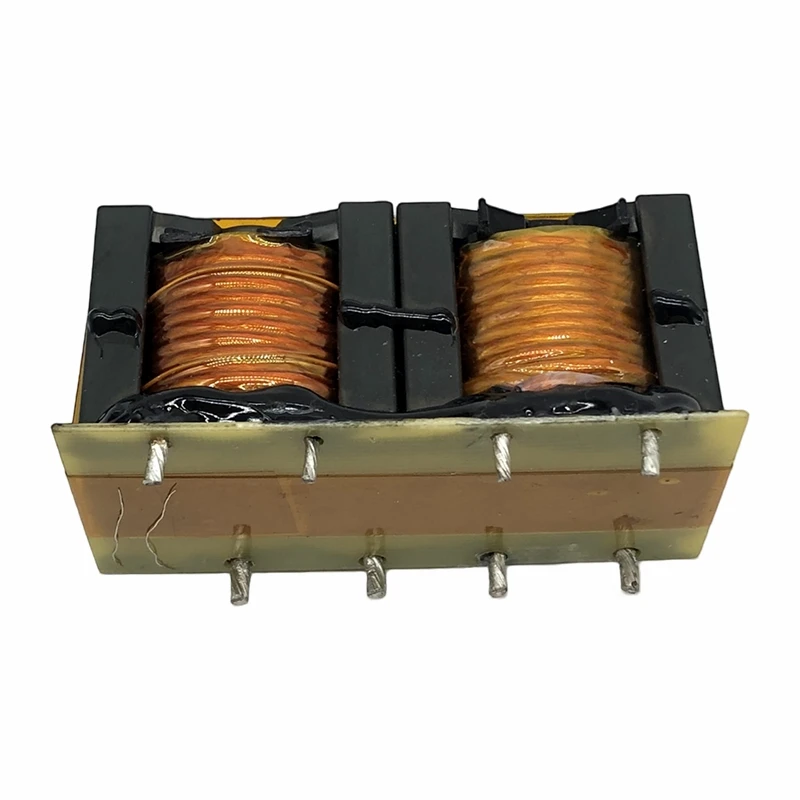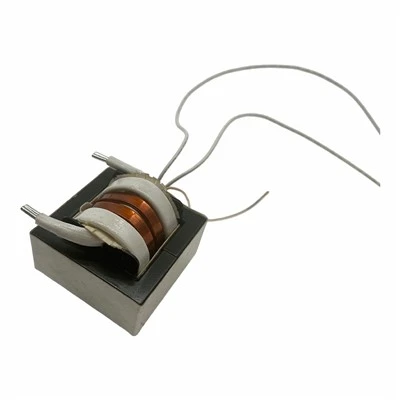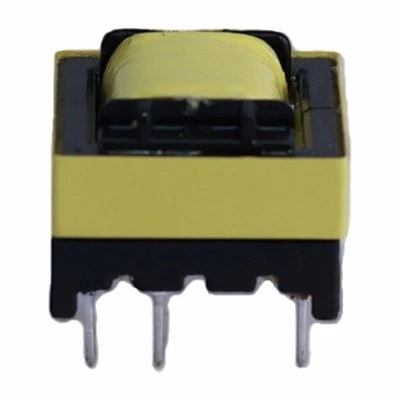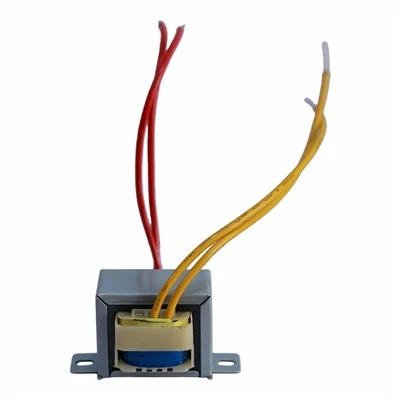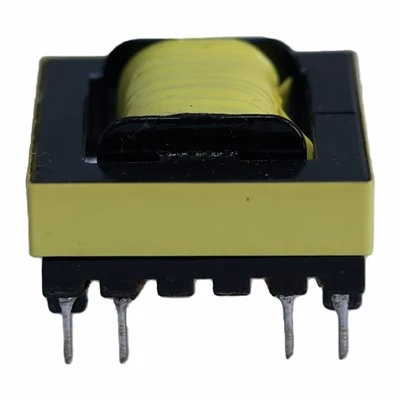

The core design principle of an inductor relies on electromagnetic induction and magnetic energy storage; it converts changes in electric current into stored magnetic energy-which is subsequently released-thereby regulating the circuit's current and voltage. Key design considerations include inductance, current-carrying capacity, core characteristics, and frequency response to ensure stable and reliable performance in specific applications.
Inductance is determined by the number of winding turns, wire gauge, and the magnetic permeability of the core. Increasing the number of turns or the core's permeability raises the inductance, while the wire gauge affects current-carrying capacity and winding DC resistance. Designers must balance inductance against power loss, physical size, and cost to achieve a solution that meets electrical performance requirements while remaining economically viable. The selection and shape of the magnetic core are critical. Different materials-such as iron powder, ferrite, or amorphous alloys-exhibit varying permeability and loss characteristics, making them suitable for specific frequency ranges and power levels. Core geometry (e.g., toroidal, E-core, or rod-type) influences magnetic flux distribution and saturation characteristics; optimal design can minimize eddy current and hysteresis losses, thereby enhancing efficiency. Additionally, insulation and thermal management are vital aspects of the design, ensuring the inductor does not fail due to overheating or insulation breakdown during operation.