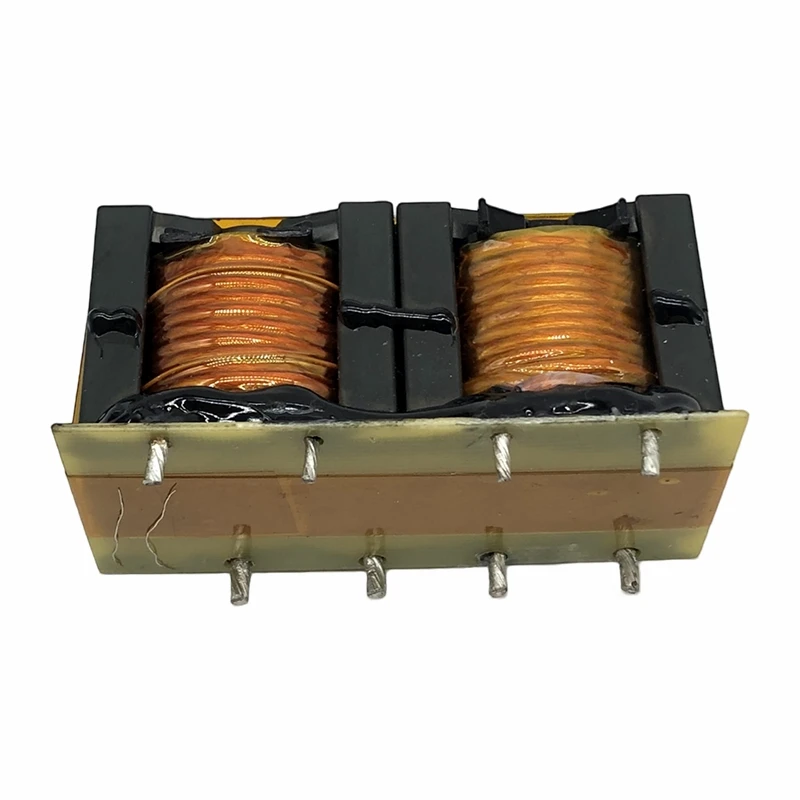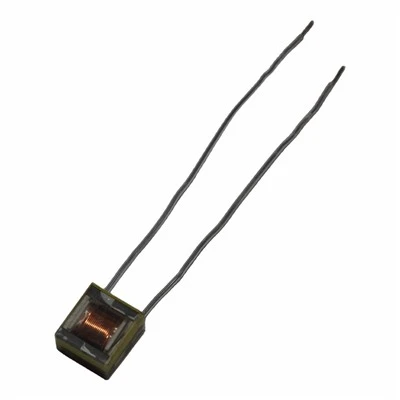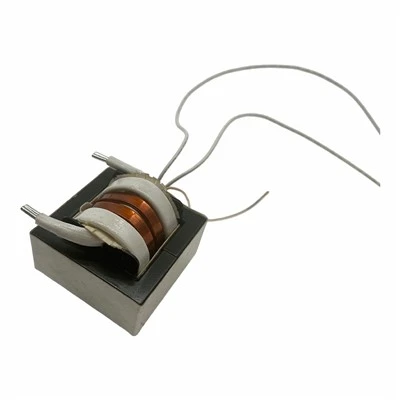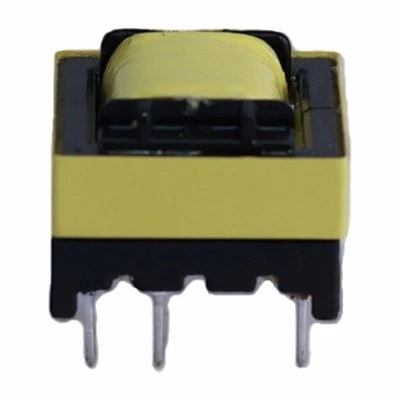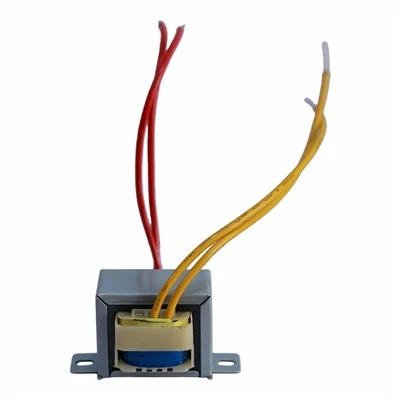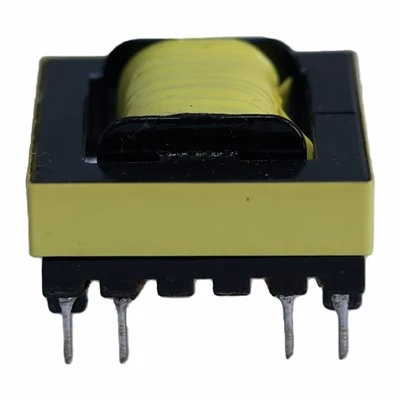

The structural composition of an inductor is relatively simple, yet every component directly influences its electrical performance and application characteristics. It primarily consists of three parts: the winding, the magnetic core, and the insulation/packaging materials.
The winding is typically made of copper or aluminum wire, coiled into a helical or multi-layer structure according to the design specifications. Parameters such as the number of turns, wire gauge, and winding arrangement directly determine the inductance, rated current, and resistance; the winding serves as the core conductive element of the component.
The magnetic core serves to concentrate and enhance magnetic flux, thereby increasing inductance and stability. Common core materials include iron powder, silicon steel, ferrite, and amorphous alloys; variations in material and shape (such as toroidal, E-core, or rod types) affect magnetic saturation characteristics, energy losses, and high-frequency response capabilities.
Finally, there are the insulation and packaging components. Insulation materials are typically required between the winding and the core to prevent electrical breakdown, while the housing or encapsulation serves to secure the structure, protect the coil, and facilitate heat dissipation. The overall structural design must balance electrical performance, mechanical strength, and resistance to heat and moisture to ensure the inductor operates reliably over the long term.