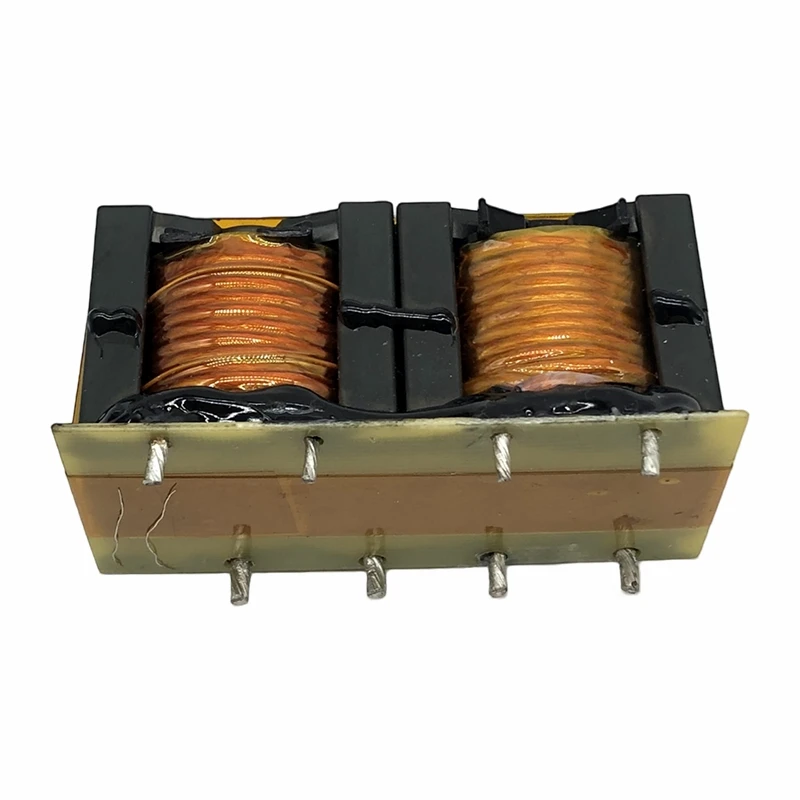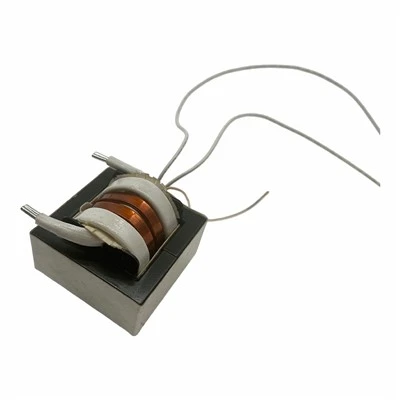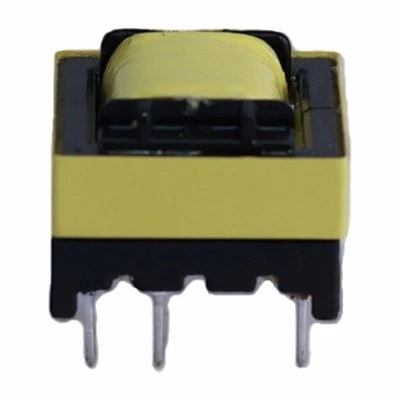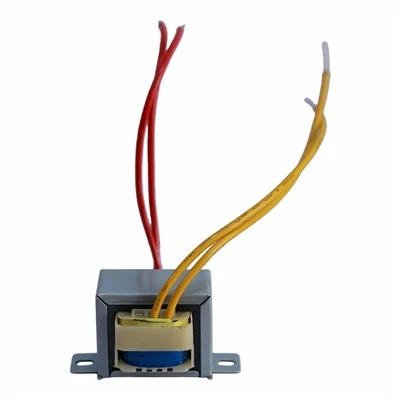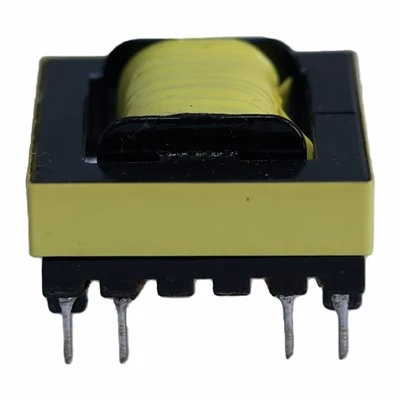

The core characteristic of an inductor is its opposition to changes in current. When current flows through an inductor, a magnetic field is generated; as the current changes, the magnetic field fluctuates accordingly, inducing a counter-electromotive force (back-EMF) that resists sudden changes in current. Consequently, an inductor acts effectively as a short circuit in a DC circuit (offering negligible resistance once steady-state is reached), whereas in an AC circuit, it exhibits impedance that increases with frequency.
Inductors possess the ability to store and release energy. As current rises, the inductor converts electrical energy into stored magnetic energy; as current falls, it releases that magnetic energy back into the circuit. This "energy buffering" capability makes inductors vital components in applications such as switching power supplies, current smoothing, and filtering circuits.
Inductors also exhibit frequency dependence and specific phase characteristics. In AC circuits, the voltage across an inductor leads the current by approximately 90 degrees-a phase relationship that is crucial in resonant circuits and signal processing systems. Furthermore, inductor performance is influenced by core materials and physical structure; inductance values may vary slightly with changes in current, temperature, and frequency-factors that must be carefully considered during practical circuit design.