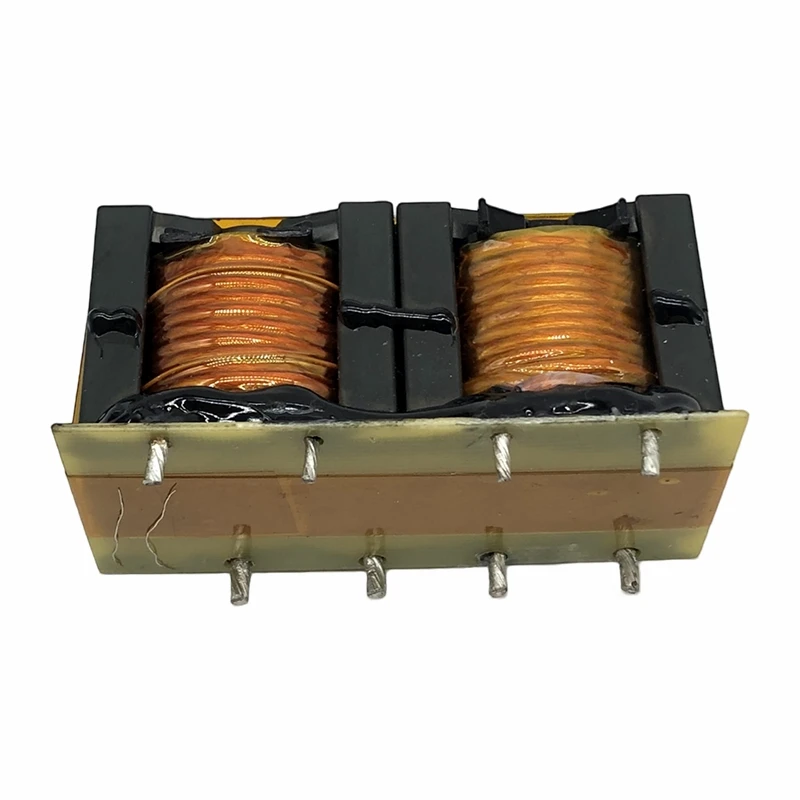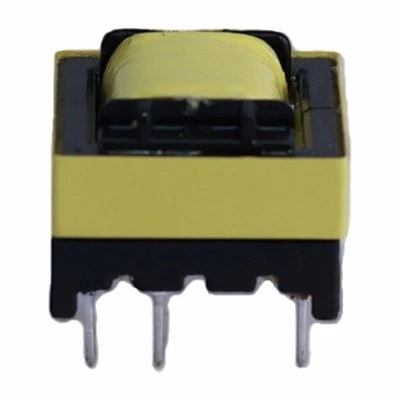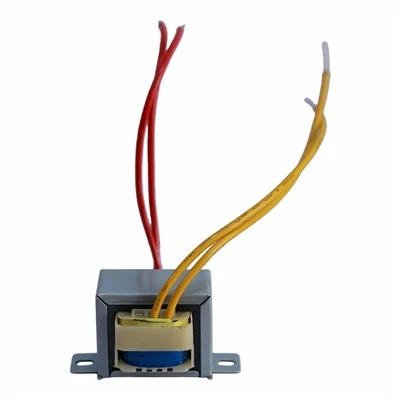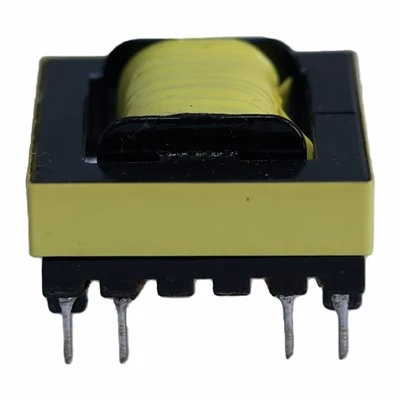

Transformer manufacturing encompasses various stages-such as material selection, structural fabrication, winding production, and insulation treatment-that are critical to determining the equipment's performance and service life. Regarding core fabrication, high-permeability silicon steel sheets must be stacked or wound to design specifications to ensure uniform magnetic flux, while processes to remove burrs and relieve stamping stresses are employed to minimize hysteresis and eddy current losses. The precision of core fabrication directly impacts the transformer's efficiency and noise levels.
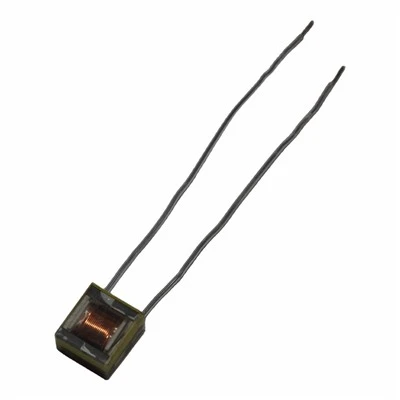
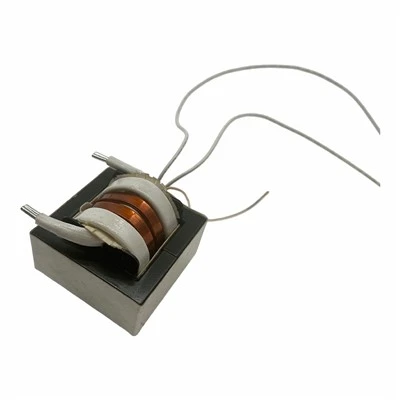
Winding production is a pivotal stage in the manufacturing process. Windings are typically made from copper or aluminum wire, wound according to specific turn counts and interlayer insulation requirements. Processes such as inter-winding insulation, varnish coating, or vacuum impregnation must be strictly controlled to ensure electrical insulation strength and durability, as well as mechanical stability during thermal cycling.
Transformer manufacturing also involves the production of the tank, cooling system, and auxiliary components. Oil-immersed transformers require high-purity oil and effective sealing to fulfill the dual functions of insulation and heat dissipation. Conversely, dry-type transformers utilize epoxy resin casting or vacuum drying processes to ensure the windings are fully encapsulated and protected against moisture and dust. Throughout the manufacturing process, rigorous process control and precise measurement and testing are essential to guaranteeing the transformer's quality, efficiency, and safety.