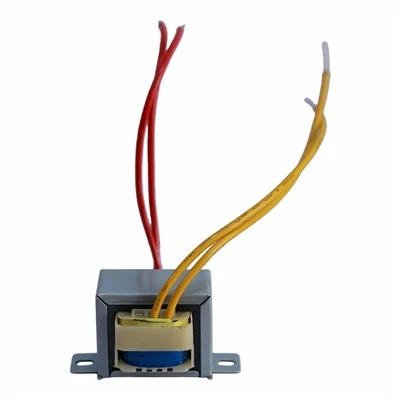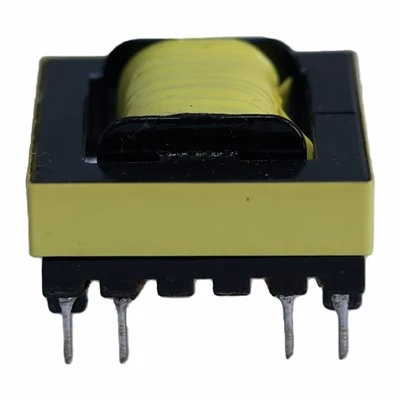

The early principles of electromagnetic induction provided the theoretical foundation for the efficient transmission of electrical energy. Based on these principles, early engineers experimented with coil and iron-core structures to transform alternating current (AC) between different voltage levels, aiming to mitigate energy losses during long-distance transmission. Although early transformer designs were simple and limited in efficiency, they demonstrated the feasibility of altering voltage levels through electromagnetic induction.
As AC systems became the industry standard, transformer technology advanced rapidly. Iron-core designs evolved from open-magnetic-circuit to closed-magnetic-circuit configurations, while improvements in winding insulation and manufacturing processes significantly enhanced efficiency and reliability. During this period, transformers were widely adopted in power plants, transmission lines, and distribution networks, becoming indispensable core components of power systems. With the advent of ultra-high-voltage transmission and smart grids, modern transformers have moved beyond the goals of high efficiency and low loss to incorporate intelligent monitoring, automatic voltage regulation, and remote protection capabilities, thereby playing an increasingly stable and critical role in power systems.