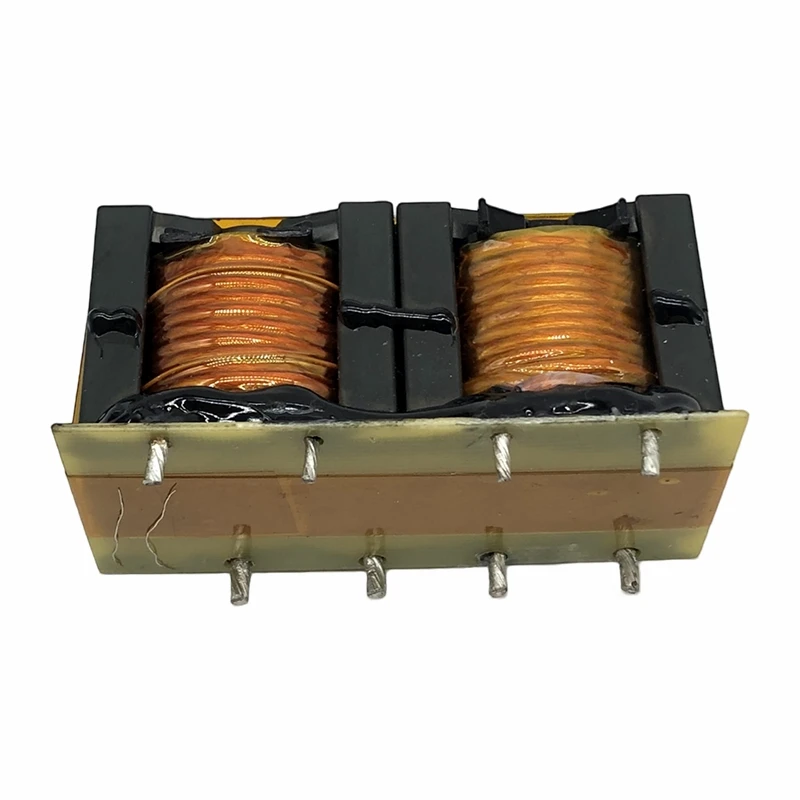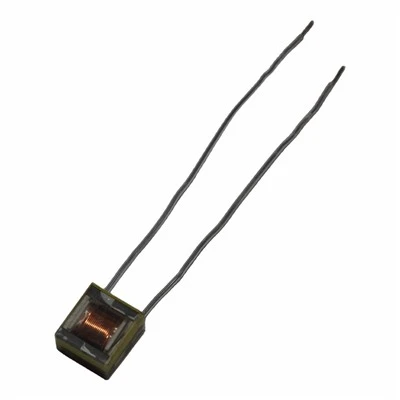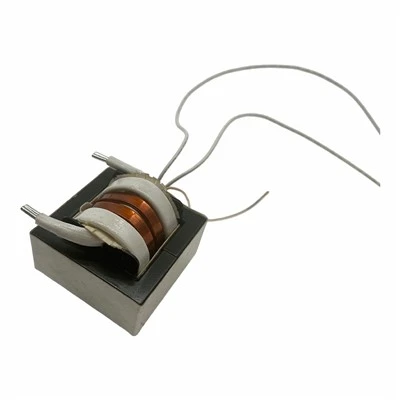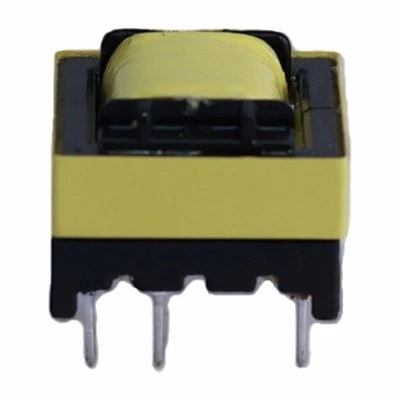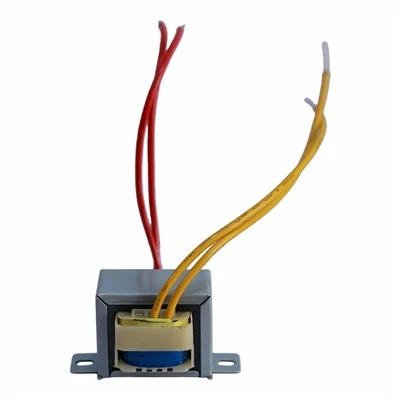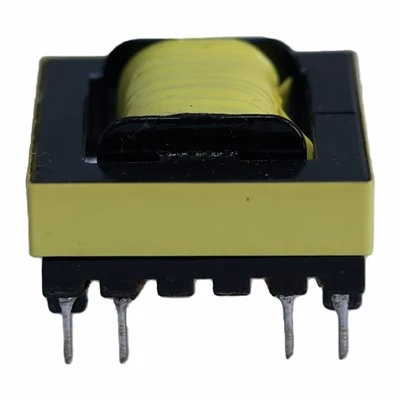

Selecting an inductor requires a comprehensive assessment based on specific circuit requirements, operating environments, and performance specifications; one cannot rely solely on the inductance value. First, it is essential to define the circuit's basic parameters, including inductance, rated current, and DC resistance. Inductance determines filtering or energy storage performance and must match the design specifications. Rated current requires a safety margin to prevent core saturation or overheating during prolonged operation. Lower DC resistance results in reduced energy loss and higher efficiency.
The appropriate type must be selected based on the application scenario. For switching power supplies or power filtering, power inductors or shielded inductors are generally preferred to minimize electromagnetic interference. RF or communication circuits require a focus on high-frequency performance, quality factor (Q-factor), and self-resonant frequency. In contrast, industrial control or high-current applications prioritize heat dissipation capabilities and saturation resistance.
Practical factors such as structure, dimensions, and reliability must also be considered. Compact surface-mount inductors are suitable when installation space is limited, while closed-magnetic-circuit structures are preferable for applications requiring high interference immunity. Temperature ratings and packaging materials are critical in high-temperature or complex environments. Furthermore, brand quality and consistency are vital-particularly in mass production-so selecting products with stable parameters and high reliability ensures the long-term, stable operation of the system.