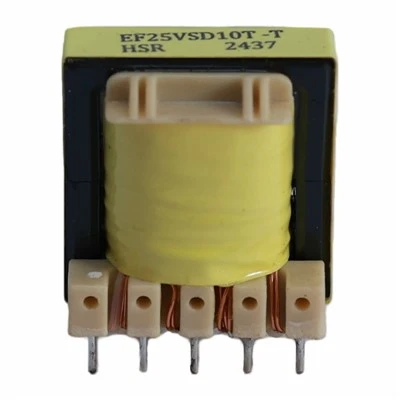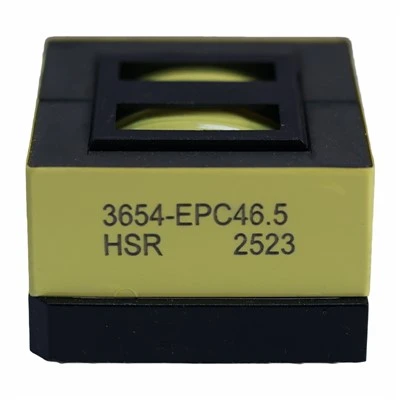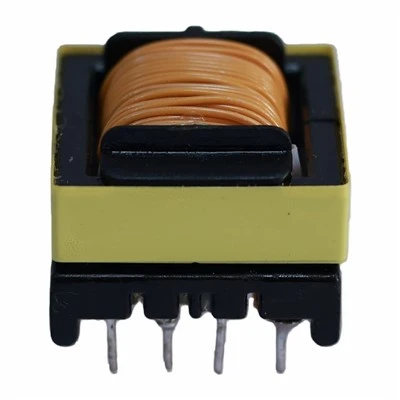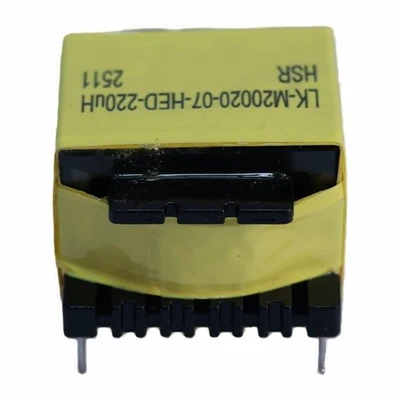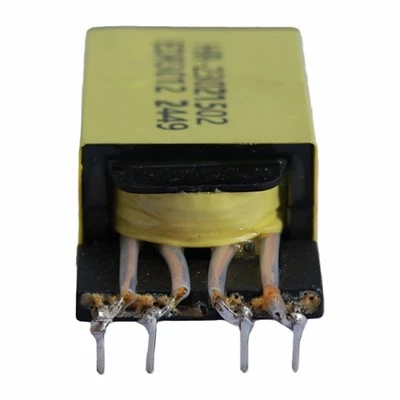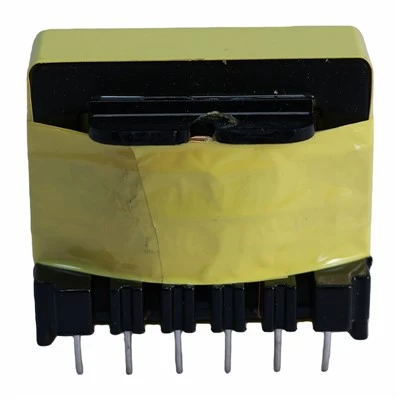

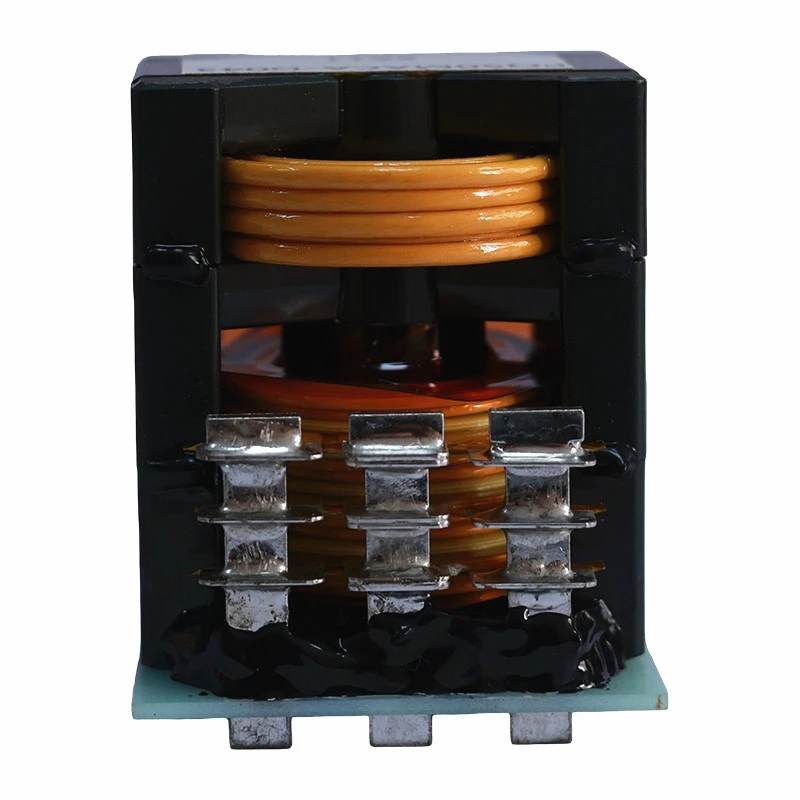
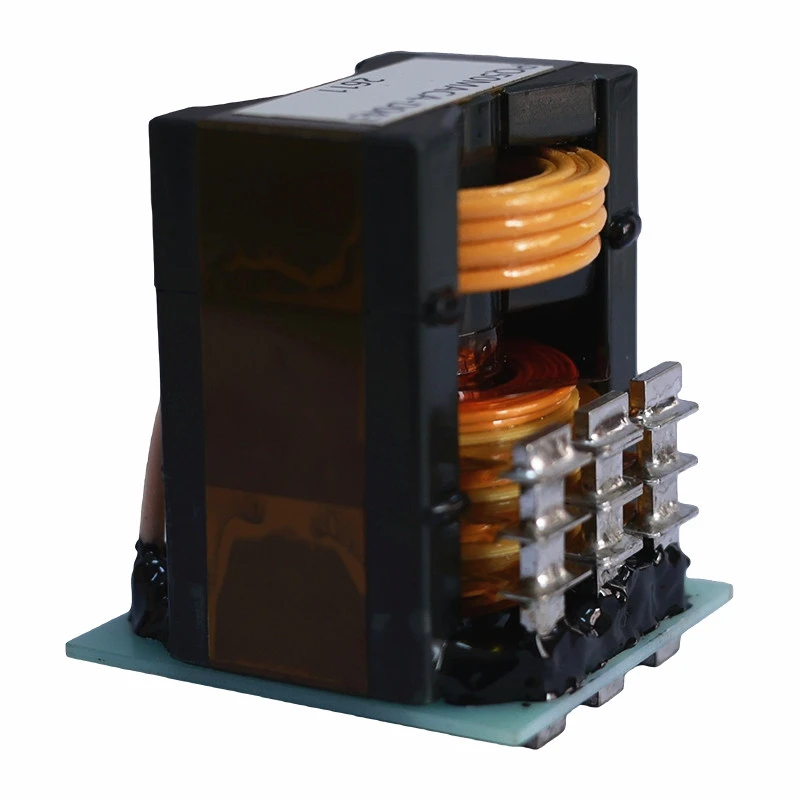
Product Introduction
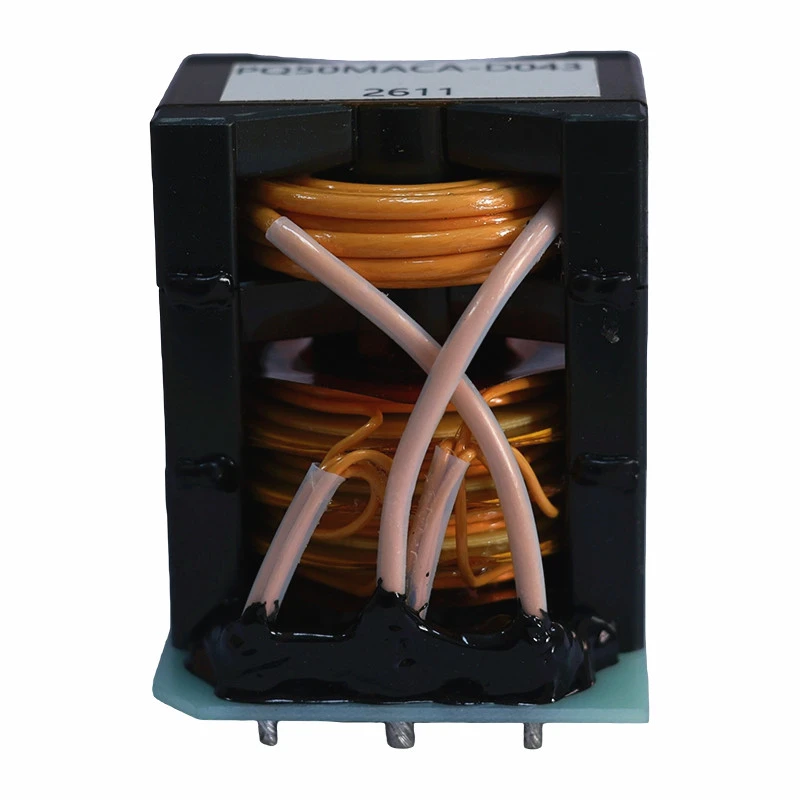
Planar transformers are divided into two types:
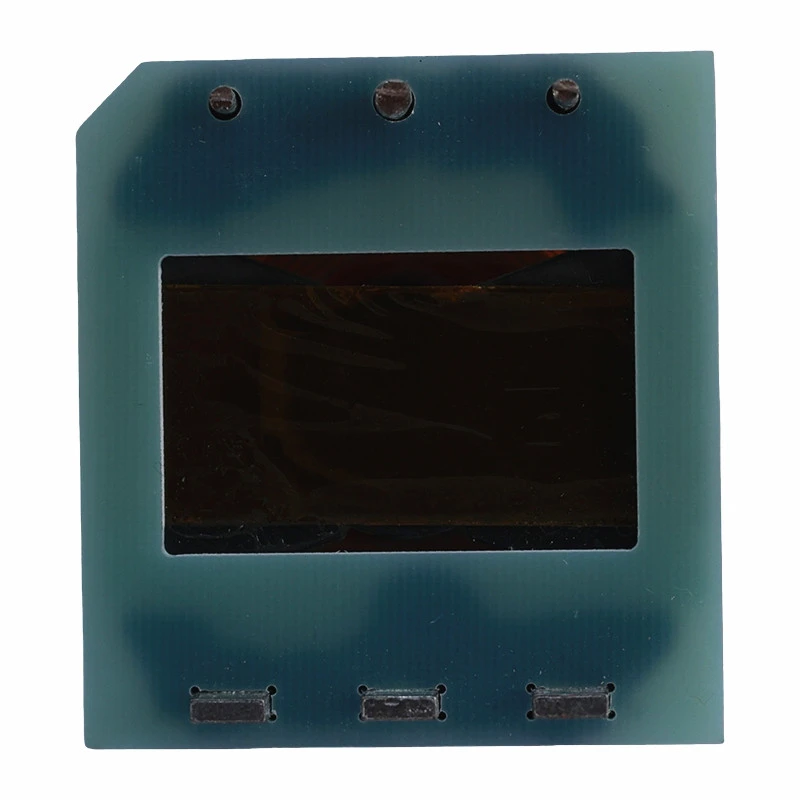
One type uses multilayer PCB etched traces to replace traditional enameled round wire and bobbin structures. It relies on multilayer PCB stacking or thin-layer winding processes to reduce the overall height of the product.
The other type uses Nomex paper to replace the traditional bobbin structure, resulting in a more compact product configuration and greater design flexibility. This type is typically used for high-power, high-current transformers.

Product Features
The operating principle of a planar transformer is identical to that of a conventional transformer, relying on electromagnetic induction to achieve voltage transformation, galvanic isolation, and energy transfer. It is inherently suited for high-frequency operation, offering an extremely low profile, superior product consistency, high manufacturability for volume production, and minimal leakage inductance. The variant employing Nomex paper as a substitute for conventional bobbins is particularly well-suited for applications characterized by stringent space constraints and high current requirements.

Application Fields
Planar transformers are mainly applied in:


FAQ
Q: Why does the planar transformer produce abnormal noise during operation?
A: Insufficient contact between the upper and lower core halves or degradation of the core bonding adhesive induces mechanical vibration and audible high-frequency whining under the action of alternating magnetic forces.
Overload conditions exacerbate magnetostrictive expansion and contraction of the core.
Imbalanced winding current distribution leads to asymmetric magnetic fields, thereby generating undesirable high-frequency acoustic noise.
Product Parameters
|
Model No.: |
PQ5050 |
Withstand Voltage: |
2500V/60S/2mA |
|
Power Rating: |
1200W |
Temperature Class: |
Class F |
|
Inductance: |
240uH±10% |
Turns Ratio: |
13:2:15 |
Hot Tags: planar flyback transformer, China planar flyback transformer suppliers, factory, FBT Flyback Transformer, flyback transformer, High frequency Flyback Transformer, LCD Flyback Transformer, Planar Flyback Transformer, Pulse Flyback Transformer