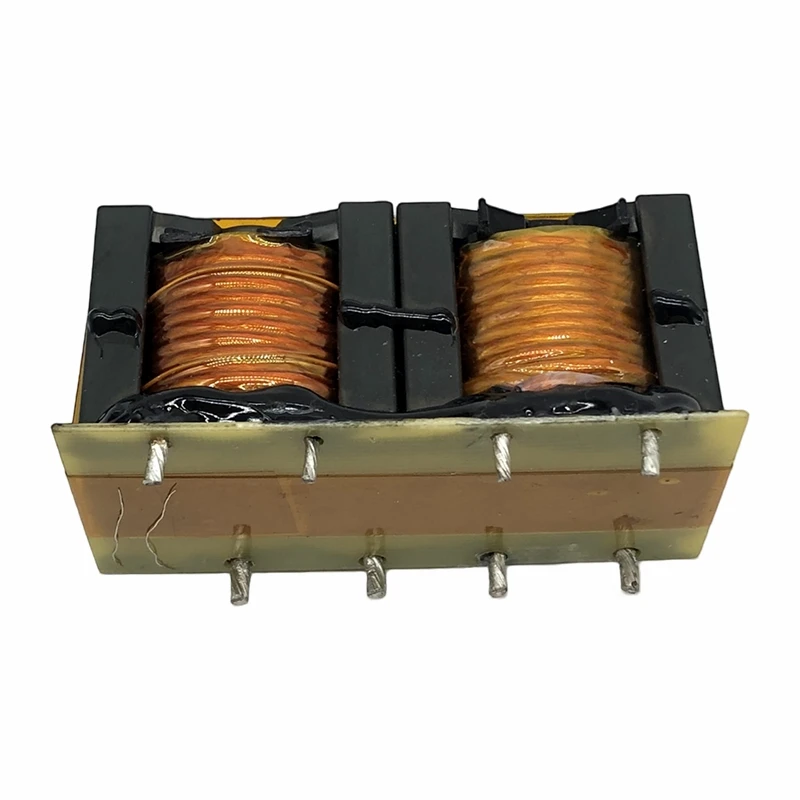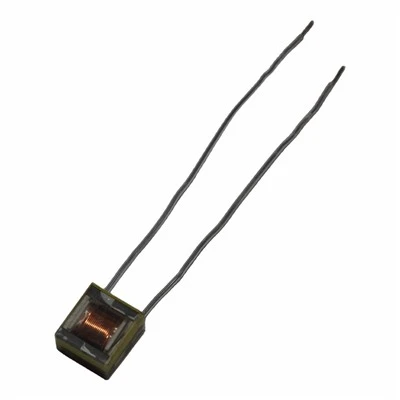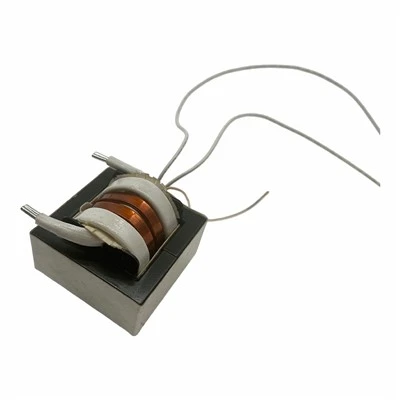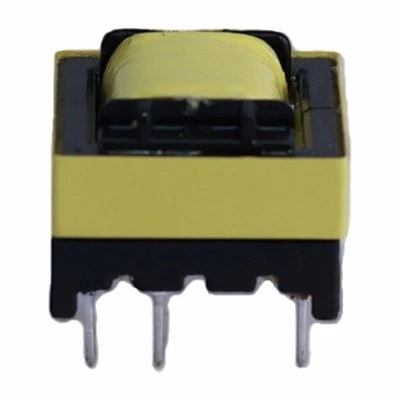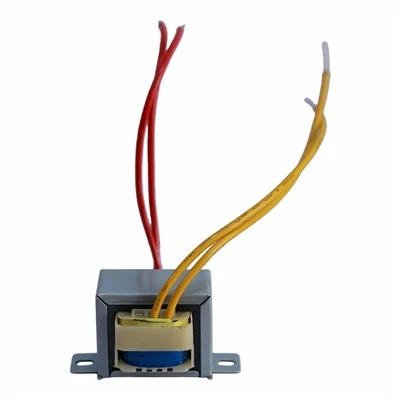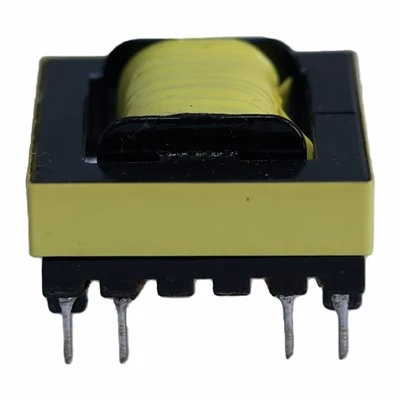

While inductor manufacturing methods vary depending on structural type and application, the general process typically involves winding and forming, core assembly, insulation treatment, and final encapsulation and testing.
The most common method is the production of wire-wound inductors. First, copper or aluminum wire is selected according to design specifications. An automatic winding machine then winds the wire evenly onto a bobbin or core, precisely controlling the number of turns, spacing, and layers to ensure the inductance and current-handling capabilities meet design targets. Once winding is complete, the coil is secured to prevent loosening or deformation.
Next come core assembly and insulation treatment. Depending on the inductor type, the winding is assembled with a core-such as iron powder, ferrite, or amorphous alloy-and insulated. Insulation methods include applying insulating varnish, wrapping with tape, or vacuum impregnation to enhance voltage withstand and moisture resistance. The precision of the fit between the core and the winding directly affects the inductor's losses and stability.
Inductors are typically protected via plastic encapsulation, epoxy resin potting, or metal housing to improve mechanical strength and heat dissipation. Following encapsulation, the components undergo testing for inductance, DC resistance, voltage withstand, and temperature rise to ensure stable and reliable operation under various working conditions. This entire manufacturing process determines the inductor's performance consistency and service life.