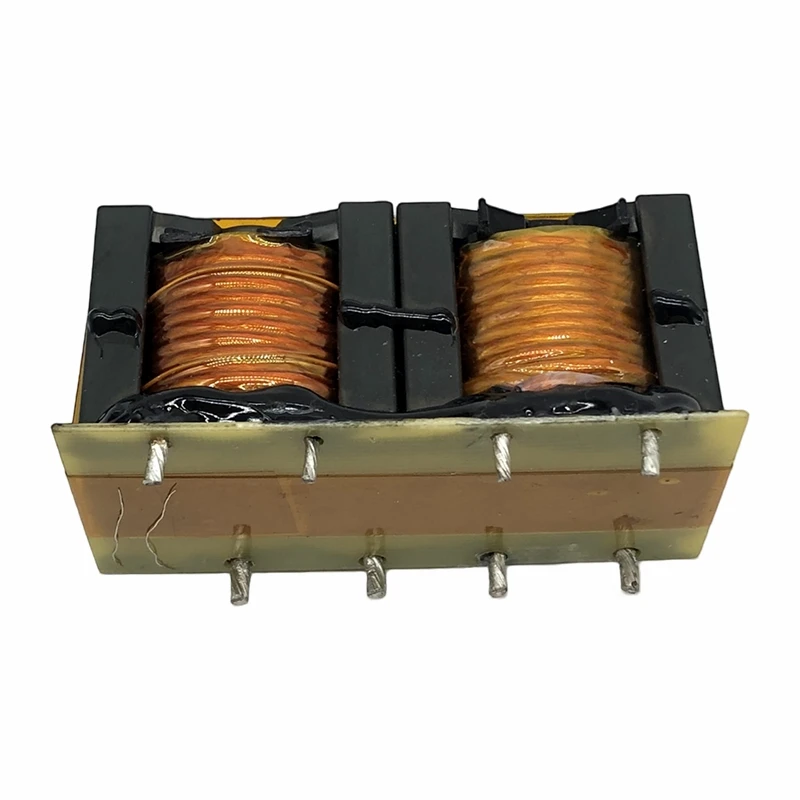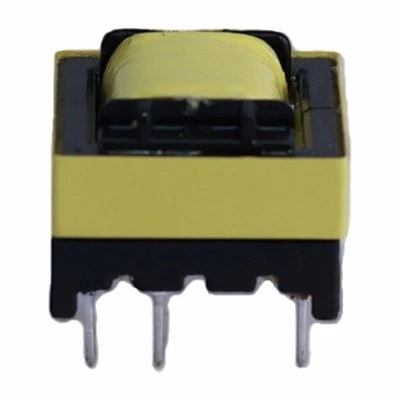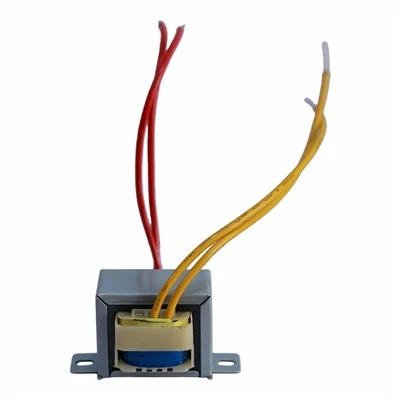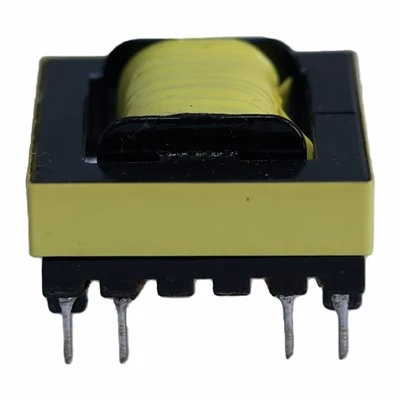

Manufacturing requirements for transformers primarily cover core processing, winding fabrication, and insulation treatment to ensure optimal performance, efficiency, and service life. Core processing demands high-precision lamination and strict control over the orientation and thickness of silicon steel sheets to minimize hysteresis and eddy current losses. Assembly must result in a tight, flat structure-avoiding uneven air gaps or looseness-to ensure uniform magnetic flux and enhance efficiency.
Winding processes are equally critical. Parameters such as the number of turns, inter-layer arrangement, and fastening methods must strictly adhere to design specifications to guarantee accurate voltage ratios and reliable insulation. Conductors must be clean and undamaged, with appropriate spacing maintained between windings and between windings and the core; furthermore, insulation materials and impregnation processes are applied to provide inter-layer insulation, thereby enhancing dielectric strength and moisture resistance.
Requirements for insulation and cooling systems are also rigorous. Oil-immersed transformers require well-sealed tanks to prevent the ingress of air and moisture, alongside the filtration and dehydration of the transformer oil. For dry-type transformers, epoxy resin casting or vacuum impregnation processes must be uniform and thorough to ensure complete encapsulation of the windings, thereby preventing localized hot spots and insulation defects. Strict adherence to these manufacturing standards not only ensures safe operation but also effectively extends the equipment's service life and improves operational efficiency.