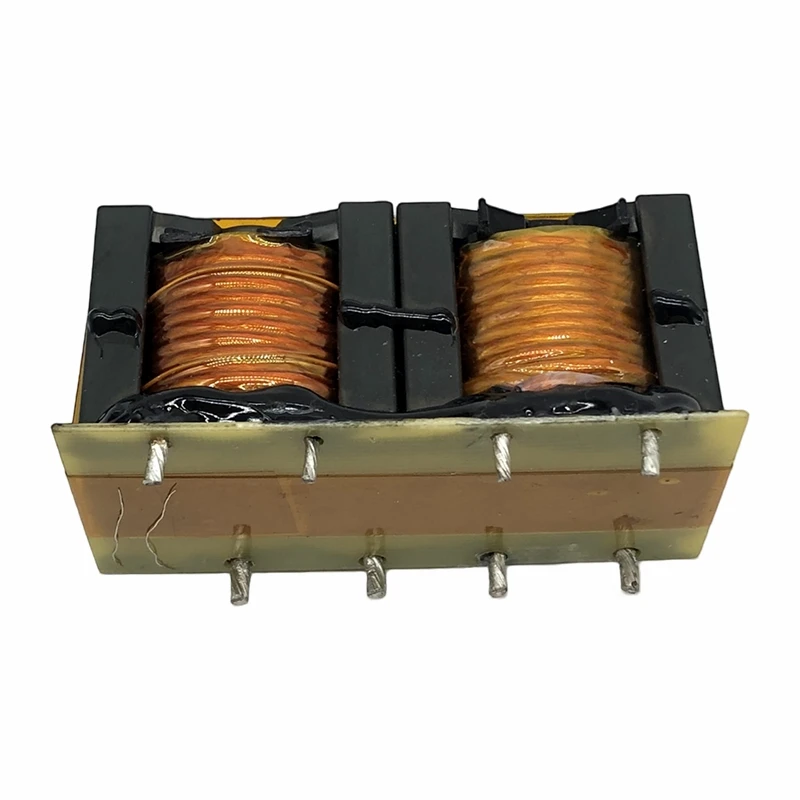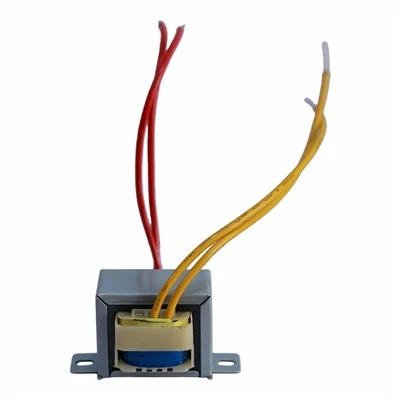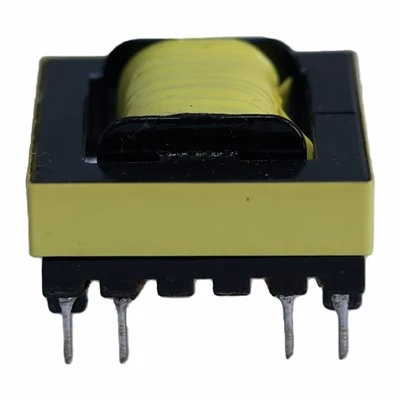

The core design philosophy of a transformer is to achieve efficient, safe, and reliable power conversion while meeting the application requirements of diverse power systems. First, the design must balance electrical performance with economic viability; this means minimizing material consumption and manufacturing costs while ensuring rated capacity, efficiency, and voltage stability. For instance, optimizing the core geometry and winding structure can reduce iron and copper losses, thereby enhancing overall efficiency.
Safety and durability are critical design considerations. Transformers must possess robust insulation, heat resistance, and short-circuit withstand capabilities. Furthermore, heat dissipation and cooling methods must be carefully selected to prevent overheating or insulation failure during prolonged operation and load fluctuations. This is precisely why various cooling schemes-such as oil-immersed, dry-type, and hybrid cooling-are thoroughly evaluated during the design phase.
Transformer design also emphasizes intelligence and maintainability. Integrating monitoring devices, tap changers, and protection systems into the design enables real-time operational monitoring, prompt fault diagnosis, and simplified maintenance. This approach not only enhances grid reliability and extends equipment lifespan but also provides the technical foundation necessary for integrating green energy and managing complex power systems.